Latest Cisco, PMP, AWS, CompTIA, Microsoft Materials on SALE Get Now Get Now
Home/
Blog/
Elevating the Enterprise: A Strategic Blueprint for CCIE Enterprise Infrastructure (v1.1) Success
SPOTO 2 2026-05-07 09:48:52
Elevating the Enterprise: A Strategic Blueprint for CCIE Enterprise Infrastructure (v1.1) Success

The introduction of the CCIE Enterprise Infrastructure (EI) v1.1 Lab on February 1, 2026, signals a definitive transition in the networking industry. This revision represents a purposeful recalibration of the expert-level certification, stripping away roughly 20% of legacy routing protocols to clear a path for Software-Defined Networking (SDN) and code-driven operations.

While the 8-hour format remains the gold standard of testing, the content has shifted to mirror the software-managed ecosystems of today's leading organizations.


1. The v1.1 Curricular Evolution

Modernized Core Infrastructure (30%)

Cisco has significantly streamlined the "traditional" portions of the blueprint. Outdated concepts like VTP and OSPFv2 LFA have been removed. In their place, the exam emphasizes high-resiliency designs featuring Multichassis EtherChannel (MEC), complex VRF-to-VRF routing via VASI interfaces, and a complete transition to OSPFv3 to facilitate the industry's move toward IPv6-centric architectures.

The Rise of Software-Defined Architectures (25%)

This section is the cornerstone of the v1.1 update, focusing on production-ready SDN deployments.

SD-Access: Candidates must master the entire lifecycle of the fabric, from Underlay/Overlay engineering to segmentation and "Fabric in a Box" branch solutions. A major focus is placed on 360-degree Assurance, requiring you to use telemetry to diagnose and fix connectivity or performance issues.

SD-WAN: The curriculum now integrates cloud-native connectivity (AWS, Azure, and GCP). You must demonstrate expert-level control over the Overlay Management Protocol (OMP) and differentiate between global orchestration and edge-specific policy enforcement.

The Automation Mandate (20%)

The days of manual CLI configuration are fading. Success in this track is tied to your ability to utilize Jinja2 templates and YAML data models for configuration deployment. Competency with DNA Center and vManage APIs is vital, as the lab expects you to leverage Python and Postman for management, monitoring, and proactive troubleshooting.


2. Essential Software Version Alignment

Technical accuracy in the lab depends entirely on your training environment. To avoid the frustration of incompatible commands or missing features, your practice lab must match the exam's production environment exactly:

Cisco IOS XE: 17.9

Cisco SD-WAN: 20.9

Cisco DNA Center: 2.3


3. The 16-Week Implementation Roadmap

Phase 1: The Blueprint Deep-Dive (Weeks 1–3)

Your journey begins with a comprehensive audit of the new exam requirements. Utilize the Cisco DevNet Sandbox and CML 2.0+ to familiarize yourself with the interfaces of DNA Center and SD-WAN. Use this time to bridge the gap between traditional routing knowledge and controller-based logic.

Phase 2: Technical Proficiency & Skill Building (Weeks 4–10)

Move from theory to hands-on implementation. During this phase, you should standardize your diagnostic approach. Develop a repeatable workflow that starts with log analysis and API return codes before moving to data-plane verification. This documentation will become your customized "troubleshooting bible."

Phase 3: The Simulation Sprint (Weeks 11–14)

Replicate the intensity of the testing center by engaging in full 8-hour mock exams. This phase is less about individual tasks and more about time management and design integrity. Ensure your documentation for the Design module is professional and logically sound, as it carries immense weight in the final grading.

Phase 4: Final Refinement (Weeks 15–16)

Use the final fortnight to shore up specific technical weaknesses. Whether it is perfecting your Terraform modules or streamlining your API call sequences, focus on high-speed execution. Polish your "cheat sheets" of essential API endpoints and core CLI verification commands.


4. Advanced Lab Tactics

Design-First Thinking: The Design module represents 30% of your score. Treat your documentation with the same importance as your configuration; clear schemas and precise technical justifications are mandatory.

Adopt an API-First Strategy: If an objective can be accomplished via an API, choose that over the CLI. Modern scoring often prioritizes your ability to use automated tools over manual syntax.

Methodical Troubleshooting: Avoid "panic-clicking." Stick to a rigid diagnostic methodology to ensure you remain composed when fabric policies or endpoint registrations do not go as planned.

Navigating Documentation: Since you have access to the Cisco library during the exam, don't waste time memorizing every flag. Instead, train yourself to find the exact configuration guide you need within 30 seconds.


Summary: Earning your CCIE EI v1.1 is proof that you have evolved from a network technician into a Software-Defined Architect. This certification validates your ability to orchestrate, rather than just configure, modern enterprise systems.

SPOTO serves as your strategic ally in this transformation. We provide synchronized, real-time study materials that reflect the latest Cisco blueprint changes. By removing the need for rote memorization and focusing on the underlying logic of SDN and automation, SPOTO prepares you to lead. Join the ranks of the elite architects who aren't just reacting to the industry's changes—they are driving them.

 

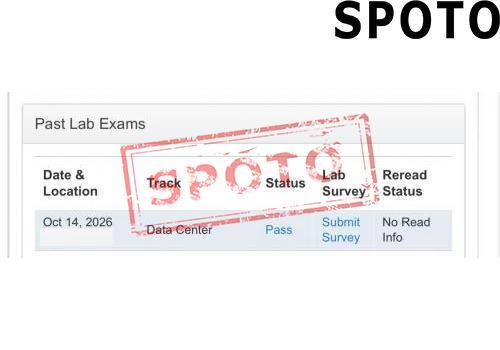
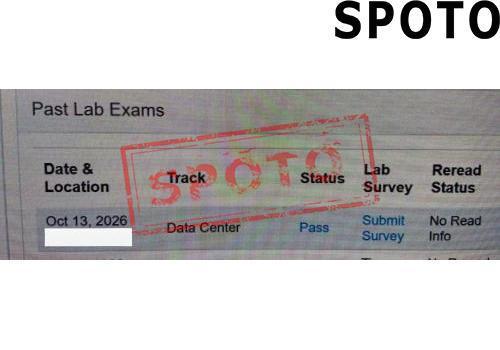
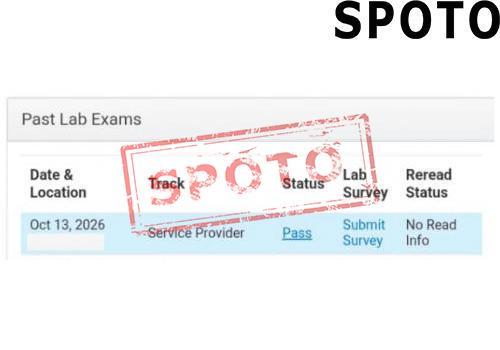
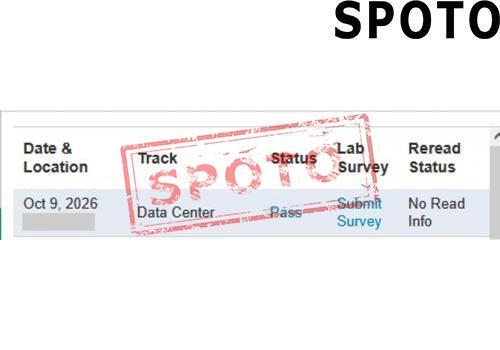
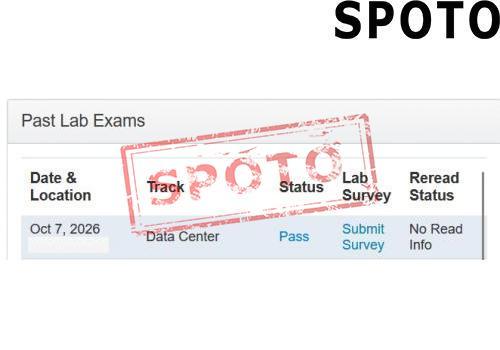
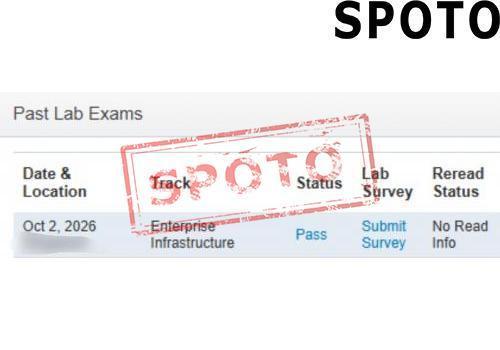
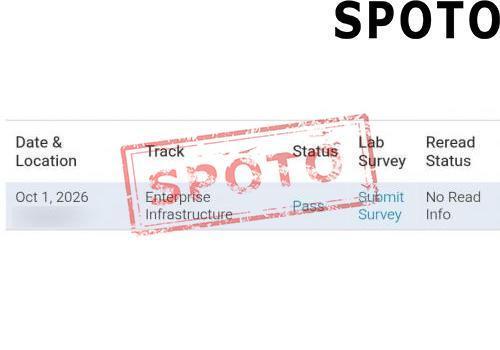
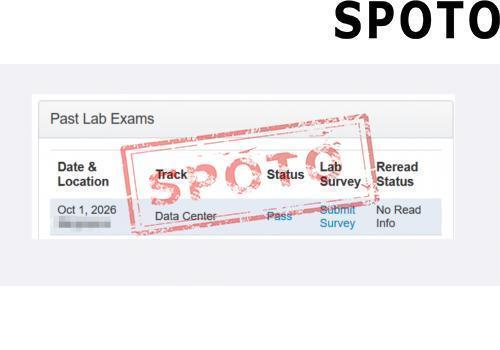
Latest Passing Reports from SPOTO Candidates
sec lab

sec lab

EI LAB

EI LAB

EI Lab

EI Lab

EI Lab

EI Lab

EI Lab

EI Lab

DC LAB

DC LAB

sec lab

sec lab

EI LAB

EI LAB

EI LAB

EI LAB

EI LAB

EI LAB

Write a Reply or Comment
Home/Blog/Elevating the Enterprise: A Strategic Blueprint for CCIE Enterprise Infrastructure (v1.1) Success
Elevating the Enterprise: A Strategic Blueprint for CCIE Enterprise Infrastructure (v1.1) Success
SPOTO 2 2026-05-07 09:48:52
Elevating the Enterprise: A Strategic Blueprint for CCIE Enterprise Infrastructure (v1.1) Success

The introduction of the CCIE Enterprise Infrastructure (EI) v1.1 Lab on February 1, 2026, signals a definitive transition in the networking industry. This revision represents a purposeful recalibration of the expert-level certification, stripping away roughly 20% of legacy routing protocols to clear a path for Software-Defined Networking (SDN) and code-driven operations.

While the 8-hour format remains the gold standard of testing, the content has shifted to mirror the software-managed ecosystems of today's leading organizations.


1. The v1.1 Curricular Evolution

Modernized Core Infrastructure (30%)

Cisco has significantly streamlined the "traditional" portions of the blueprint. Outdated concepts like VTP and OSPFv2 LFA have been removed. In their place, the exam emphasizes high-resiliency designs featuring Multichassis EtherChannel (MEC), complex VRF-to-VRF routing via VASI interfaces, and a complete transition to OSPFv3 to facilitate the industry's move toward IPv6-centric architectures.

The Rise of Software-Defined Architectures (25%)

This section is the cornerstone of the v1.1 update, focusing on production-ready SDN deployments.

SD-Access: Candidates must master the entire lifecycle of the fabric, from Underlay/Overlay engineering to segmentation and "Fabric in a Box" branch solutions. A major focus is placed on 360-degree Assurance, requiring you to use telemetry to diagnose and fix connectivity or performance issues.

SD-WAN: The curriculum now integrates cloud-native connectivity (AWS, Azure, and GCP). You must demonstrate expert-level control over the Overlay Management Protocol (OMP) and differentiate between global orchestration and edge-specific policy enforcement.

The Automation Mandate (20%)

The days of manual CLI configuration are fading. Success in this track is tied to your ability to utilize Jinja2 templates and YAML data models for configuration deployment. Competency with DNA Center and vManage APIs is vital, as the lab expects you to leverage Python and Postman for management, monitoring, and proactive troubleshooting.


2. Essential Software Version Alignment

Technical accuracy in the lab depends entirely on your training environment. To avoid the frustration of incompatible commands or missing features, your practice lab must match the exam's production environment exactly:

Cisco IOS XE: 17.9

Cisco SD-WAN: 20.9

Cisco DNA Center: 2.3


3. The 16-Week Implementation Roadmap

Phase 1: The Blueprint Deep-Dive (Weeks 1–3)

Your journey begins with a comprehensive audit of the new exam requirements. Utilize the Cisco DevNet Sandbox and CML 2.0+ to familiarize yourself with the interfaces of DNA Center and SD-WAN. Use this time to bridge the gap between traditional routing knowledge and controller-based logic.

Phase 2: Technical Proficiency & Skill Building (Weeks 4–10)

Move from theory to hands-on implementation. During this phase, you should standardize your diagnostic approach. Develop a repeatable workflow that starts with log analysis and API return codes before moving to data-plane verification. This documentation will become your customized "troubleshooting bible."

Phase 3: The Simulation Sprint (Weeks 11–14)

Replicate the intensity of the testing center by engaging in full 8-hour mock exams. This phase is less about individual tasks and more about time management and design integrity. Ensure your documentation for the Design module is professional and logically sound, as it carries immense weight in the final grading.

Phase 4: Final Refinement (Weeks 15–16)

Use the final fortnight to shore up specific technical weaknesses. Whether it is perfecting your Terraform modules or streamlining your API call sequences, focus on high-speed execution. Polish your "cheat sheets" of essential API endpoints and core CLI verification commands.


4. Advanced Lab Tactics

Design-First Thinking: The Design module represents 30% of your score. Treat your documentation with the same importance as your configuration; clear schemas and precise technical justifications are mandatory.

Adopt an API-First Strategy: If an objective can be accomplished via an API, choose that over the CLI. Modern scoring often prioritizes your ability to use automated tools over manual syntax.

Methodical Troubleshooting: Avoid "panic-clicking." Stick to a rigid diagnostic methodology to ensure you remain composed when fabric policies or endpoint registrations do not go as planned.

Navigating Documentation: Since you have access to the Cisco library during the exam, don't waste time memorizing every flag. Instead, train yourself to find the exact configuration guide you need within 30 seconds.


Summary: Earning your CCIE EI v1.1 is proof that you have evolved from a network technician into a Software-Defined Architect. This certification validates your ability to orchestrate, rather than just configure, modern enterprise systems.

SPOTO serves as your strategic ally in this transformation. We provide synchronized, real-time study materials that reflect the latest Cisco blueprint changes. By removing the need for rote memorization and focusing on the underlying logic of SDN and automation, SPOTO prepares you to lead. Join the ranks of the elite architects who aren't just reacting to the industry's changes—they are driving them.
 

Latest Passing Reports from SPOTO Candidates
sec lab
EI LAB
EI Lab
EI Lab
EI Lab
DC LAB
sec lab
EI LAB
EI LAB
EI LAB
Write a Reply or Comment
Don't Risk Your Certification Exam Success – Take Real Exam Questions
Eligible to sit for Exam? 100% Exam Pass GuaranteeEligible to sit for Exam? 100% Exam Pass Guarantee
SPOTO Ebooks
Recent Posts
Navigating the Shift: A Comprehensive Guide to the CCIE Enterprise Infrastructure v1.1 Lab (2026 Update)
Master the Fabric: A Comprehensive Guide to the CCIE Data Center v3.1 (2026 Update)
Mastering the CCIE Automation v1.1: A Comprehensive 2026 Certification Blueprint
CCIE Automation v1.1 Core Essentials: The 2026 Mastery Framework
Elevating to Expert: A Strategic Blueprint for Mastering CCIE Enterprise Infrastructure v1.1
Mastering the CCIE Data Center v3.1: A Definitive 2026 Preparation Blueprint
CCIE Data Center v3.1 Mastery: A Definitive Guide to the 2026 Lab Transformation
Architecting the Future: An Advanced Blueprint for CCIE Enterprise Infrastructure (v1.1) Success
Navigating the CCIE Data Center Lab v3.1: A Definitive 2026 Strategy for Success
Elevating the Enterprise: A Strategic Blueprint for CCIE Enterprise Infrastructure (v1.1) Success
Excellent
5.0
Based on 5236 reviews
Request more information
I would like to receive email communications about product & offerings from SPOTO & its Affiliates.
I understand I can unsubscribe at any time.