

SPOTO GIAC Exam Dump List
SPOTO
Last Updated Time: 2026/11/27
Language: English
-
CATEGORIESEXAM TRACKSEXAM QUESTION NUMBERDUMP COVERAGEPass Exam DUMPSFREE TEST
-
GIAC300+100% cover
-
GIAC300+100% cover
-
GIAC200+100% cover
-
GIAC200+100% cover
-
GIAC200+100% cover
-
GIAC200+100% cover
-
Luc***2026/11/28order Other ***Hen***2026/11/28order Other ***Ale***2026/11/28order Other ***
-
Mas***2026/11/28order Other ***Mic***2026/11/28order Other ***Eth***2026/11/28order Other ***
-
Dan***2026/11/28order Other ***Jac***2026/11/28order Other ***Log***2026/11/28order Other ***
-
Jac***2026/11/28order Other ***Lev***2026/11/28order Other ***Seb***2026/11/28order Other ***
-
Mat***2026/11/28order Other ***Jac***2026/11/28order Other ***Owe***2026/11/28order Other ***
-
The***2026/11/28order Other ***Aid***2026/11/28order Other ***Sam***2026/11/28order Other ***
-
Lia***2026/11/28order Other ***Noa***2026/11/28order Other ***Oli***2026/11/28order Other ***
-
Eli***2026/11/28order Other ***Wil***2026/11/28order Other ***Jam***2026/11/28order Other ***
-
Luc***2026/11/28order Other ***
-
Mas***2026/11/28order Other ***
-
Dan***2026/11/28order Other ***
-
Jac***2026/11/28order Other ***
-
Owe***2026/11/28order Other ***
-
The***2026/11/28order Other ***
-
Lia***2026/11/28order Other ***
-
Wil***2026/11/28order Other ***
GIAC Certified Incident Handler (GCIH) Exam Info-Pass Exam With SPOTO
GCIH (GIAC Incident Handler Certification) uses a wide range of basic security skills to verify the ability of practitioners to detect, respond to, and resolve computer security incidents. GCIH certification holders have the knowledge required to manage security incidents by understanding common attack techniques, vectors and tools, as well as to defend and respond when such attacks occur. It is difficult to pass the GCIH exam alone. SPOTO provides you with professional GCIH services, allowing you to pass the GCIH exam without rigorous training! 100% pass guarantee is supported by technical experts.
Exam number/code:
GCIH
Exam Volume:
106 Questsions
Exam Fee:
999 $ USD
Exam Type:
Multiple choice & CyberLive hands-on items
Exam Duration:
240 minutes
Validity Period:
4 years
Salary and Job Opportunities:
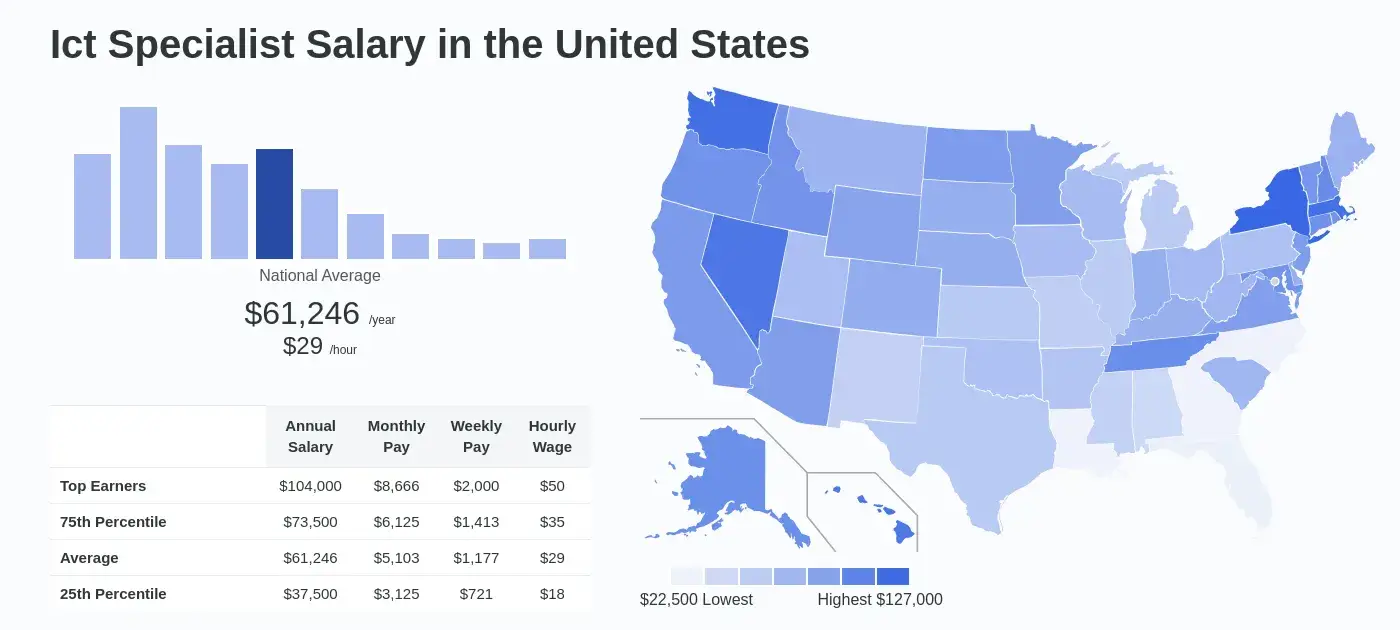
While ZipRecruiter is seeing annual salaries as high as $122,000 and as low as $17,500, the majority of GCIH salaries currently range between $29,500 (25th percentile) to $61,000 (75th percentile) with top earners (90th percentile) making $96,500 annually across the United States.Jobt Title
1.Security Operations Engineer
2.Senior Information Security Engineer
3.Senior Security Engineer
4.Information System Security Engineer
5.Cissp CISA
Areas of GCIH Exam: Incident Handling and Computer Crime Investigation
Computer and Network Hacker Exploits
Hacker Tools (Nmap, Nessus, Metasploit and Netcat)
GCIH (GIAC Incident Handler Certification) uses a wide range of basic security skills to verify the ability of practitioners to detect, respond to, and resolve computer security incidents. GCIH certification holders have the knowledge required to manage security incidents by understanding common attack techniques, vectors and tools, as well as to defend and respond when such attacks occur. It is difficult to pass the GCIH exam alone. SPOTO provides you with professional GCIH services, allowing you to pass the GCIH exam without rigorous training! 100% pass guarantee is supported by technical experts.
Exam number/code:
GCIH
Exam Volume:
106 Questsions
Exam Fee:
999 $ USD
Exam Type:
Multiple choice & CyberLive hands-on items
Exam Duration:
240 minutes
Validity Period:
4 years
Salary and Job Opportunities:
While ZipRecruiter is seeing annual salaries as high as $122,000 and as low as $17,500, the majority of GCIH salaries currently range between $29,500 (25th percentile) to $61,000 (75th percentile) with top earners (90th percentile) making $96,500 annually across the United States.Jobt Title
1.Security Operations Engineer
2.Senior Information Security Engineer
3.Senior Security Engineer
4.Information System Security Engineer
5.Cissp CISA
Areas of GCIH Exam: Incident Handling and Computer Crime Investigation
Computer and Network Hacker Exploits
Hacker Tools (Nmap, Nessus, Metasploit and Netcat)
About GIAC Certified Incident Handler (GCIH) Exam Details
1.GIAC Certified Incident Handler (GCIH)
The GIAC Incident Handler certification verifies a practitioner's ability to detect, respond to, and resolve computer security problems using a broad set of security abilities.
Holders of the GCIH certification have the skills to manage security incidents by knowing common attack strategies, vectors, and tools, as well as protect against and respond to such assaults when they occur.
2.GIAC Certified Incident Handler (GCIH) Areas Covered
- Incident Handling and Computer Crime Investigation
- Computer and Network Hacker Exploits
- Hacker Tools (Nmap, Nessus, Metasploit and Netcat)
3.Who is GCIH Certification for?
- Incident handlers
- Incident handling team leads
- System administrators
- Security practitioners
- Security architects
- Any security personnel that are first responders
4.GCIH Exam Certification Objectives & Outcome Statements
Drive-By Attacks are a type of attack that occurs while a person is
In current situations, the candidate will demonstrate an awareness of how to recognize, defend against, and minimize drive-by attacks.
Pivoting and Endpoint Attacks
The candidate will demonstrate an awareness of how to identify, defend against, and mitigate endpoint and attack pivoting attacks.
Techniques of Evasion
The candidate will demonstrate an awareness of how to recognize, defend against, and mitigate the methods used by attackers to mask their presence and eliminate evidence of compromise.
Cyber Investigations and Incident Response
The candidate will be able to explain what incident handling is and why it is necessary, as well as exhibit knowledge of the PICERL incident management methodology and industry best practices in incident response and cyber investigations.
Investigations into memory and malware
The candidate will demonstrate an awareness of the steps required to do basic memory forensics in both traditional and cloud systems, including the collection and analysis of processes and network connections, as well as basic malware analysis.
Metasploit
The candidate will demonstrate knowledge of how to recognize, defend against, and mitigate Metasploit attacks.
Netcat
The candidate will show that he or she knows how to spot, defend against, and reduce the usage of covert technologies like netcat.
Investigations by a Network
The candidate will demonstrate an awareness of the steps required to conduct efficient digital network data investigations.
Attacks in a Networked Environment
The applicant will be able to identify, defend against, and mitigate attacks in shared-use settings, such as Windows Active Directory and cloud environments.
Password Breaking The candidate must demonstrate a thorough mastery of the three password cracking methods.
Post-Exploitation Attacks are a type of cyber-attack that occurs after an exploit has been
The candidate will show a comprehension of how attackers maintain persistence and collect data, as well as
5.Why Choose SPOTO GIAC Certified Incident Handler GCIH Certification Exam dumps?
Because SPOTO provides verified GIAC Certified Incident Handler GCIH certification dumps, and the questions and answers of the SPOTO dumps are consistent with real certification exams. SPOTO GCIH practice tests allow you to master the exam in a short amount of time, get certified and advance your career without the long hours of study.
SPOTO provides real GCIH exam dumps to ensure candidates 100% pass the GCIH certification exam. Thousands of candidates have already used GCIH dumps 2022 to get certified.
6.Topics covered on the GCIH Exam include:
Incident Handling and Response: This includes identifying, categorizing, prioritizing and responding to incidents.
TCP/IP networking: This encompasses common network protocols, traffic analysis methods and security principles that protect these networks.
Malware analysis and detection: This includes the identification and analysis of malware as well as methods for detecting and preventing its infection.
Web application security: This term encompasses common attacks against web applications as well as methods for protecting them.
Penetration testing: involves identifying vulnerabilities in systems and networks, while testing security controls to evaluate their effectiveness.
Forensics and reverse engineering: include methods for collecting evidence pertaining to incidents as well as reverse engineering malware.
Threat Intelligence: This includes methods for collecting and analyzing threat intelligence information to detect potential threats.
Security Operations and Management: This encompasses best practices for incident response procedures as well as security management processes.
7.GCIH Exam Format, Question Count, And Duration
The GIAC Certified Incident Handler (GCIH) exam assesses your ability to detect, respond to, and resolve security incidents while understanding the techniques attackers use. The current published format includes:
- One proctored exam.
- 106 questions.
- A four-hour time limit.
- CyberLive hands-on challenges using virtual machines and real security tools.
GCIH is an open-book exam, but references must be printed. GIAC permits hardcopy books, notes, and an index—not digital reference materials. Organize your references before exam day so you can locate information without interrupting your workflow.
Both remote proctoring through ProctorU and onsite testing through Pearson VUE are available. Check the Certification Information section of your GIAC account for the format and requirements assigned to your specific attempt.
8.GCIH Exam Passing Score And Time Management
The current published GCIH passing score is 69%. GIAC states that this threshold applies to candidates receiving the exam version released on or after May 10, 2025. Confirm the passing score for your attempt in your GIAC account rather than relying on older exam guides.
With 106 questions in 4 hours, the overall average is approximately two minutes and sixteen seconds per question. Treat this as a planning reference—not a fixed limit—because hands-on challenges and shorter questions require different amounts of time.
A practical pacing approach is to:
- Answer familiar questions without unnecessary reference searches.
- Use your index for specific facts rather than rereading entire sections.
- Give hands-on tasks enough time to interpret instructions and verify results.
- Monitor both remaining time and the work still ahead.
Rehearse your pacing during practice tests, then adjust it based on where you lose time. GIAC recommends using practice exams to assess preparation and identify objectives that need further review.
9.GIAC GCIH Renewal And CPE Requirements
GCIH certification remains active for 4 years. To renew through continuing professional education, collect 36 CPE credits during your active certification period, submit the required information, and pay the renewal fee. Retaking the certification exam is another renewal option.
The current certification maintenance fee is $499. Renewal registration becomes available two years before your certification expires, and the renewed credential extends four years from its existing expiration date.
To keep renewal manageable:
- Track eligible activities as you complete them.
- Retain documentation supporting your submissions.
- Log, assign, and justify credits in your GIAC account.
- Complete submissions and payment before expiration.
GIAC accepts several categories of professional development, including qualifying training, certifications, and published technical work. Review category limits before assigning credits so your activities meet the renewal requirements.
10.How Difficult Is GCIH? Prerequisites And Study Timeline
How Difficult Is GCIH?
GCIH is challenging because it tests both incident-handling knowledge and practical execution. You must understand attacker techniques, interpret security evidence, and complete CyberLive tasks using real tools—not simply recognize definitions. Candidates with incident-response experience will generally have less unfamiliar material to learn than newcomers.
What Background Do You Need?
You can attempt GCIH without affiliated training; completing SANS SEC504 is not mandatory.
For preparation, prioritize working knowledge of TCP/IP, Windows and Linux commands, common attacks, and log analysis. These skills support the investigation and tool-based tasks covered by the exam objectives.
How Long Should You Study?
Use these as planning estimates, not official requirements:
- Experienced Practitioners: Allow 4–6 weeks for focused review, lab refreshers, indexing, and practice tests.
- Candidates With Basic IT Or Security Knowledge: Allow 8–12 weeks for topic study and repeated hands-on practice.
- Newcomers: Reserve additional time to build networking and operating-system foundations first.
Adjust your schedule after a practice test. GIAC recommends testing after substantial study, then using the results to identify areas needing further work.
11.How To Register For The GIAC GCIH Certification Exam
Start with the official GCIH certification page and follow the registration process for your chosen purchase option. Use your own SANS/GIAC account: certification registrations and exam vouchers are tied to an individual and cannot be transferred.
After your application is approved, GIAC activates the certification attempt according to your purchase terms and sends an email notification. You then have 120 days from activation to complete the attempt.
Before scheduling:
- Check your activation date and exam deadline.
- Review the objectives and passing score assigned to your attempt.
- Choose remote or onsite proctoring.
- Confirm the testing requirements for your selected delivery method.
For onsite testing, schedule your Pearson VUE appointment through your SANS/GIAC account after the certification attempt becomes available. Choose an appointment that leaves enough time for final preparation while staying within your deadline.
12.How To Build An Open-Book Index For The GCIH Exam
A useful GCIH index helps you find information quickly in your printed materials. GIAC recommends creating an index as part of your study process rather than treating it as a last-minute exam accessory
Use this structure for each entry:
- Keyword: The concept, tool, attack, or investigation task.
- Location: Book identifier and page number.
- Reminder: A short description that distinguishes similar entries.
For example, an entry for "Nmap—Service Detection" should point to the relevant explanation and command reference in your materials. Add alternate terms when you might search for the same concept in different ways.
Build the index while reviewing, then test it during practice questions. If a lookup is slow, improve the keyword or location reference. GIAC specifically recommends highlighting, indexing, and practicing with your preparation materials.
Print the final version, make book identifiers consistent, and ensure the text is easy to scan. Your index should help you retrieve knowledge efficiently, not replace understanding or hands-on practice.
13.How To Buy, Activate, And Take Official GIAC GCIH Practice Tests
Official GIAC practice tests simulate the certification exam' s test engine and question style. They help assess preparation, but they do not contain actual certification exam questions.
Follow this preparation workflow:
- Check your SANS/GIAC account and purchase confirmation for existing practice-test access.
- If you need an additional test, use the "Purchase a GCIH practice test" option on the official certification page.
- Follow the purchase confirmation and account instructions to access or activate the test.
- Prepare your printed references and index before beginning.
- Review the completed test report and revisit weaker objectives.
Take your first practice test after a thorough review of the material. Use the results to improve your knowledge, tool familiarity, and index before taking another. GIAC notes that its practice-question bank is limited, so repeated questions may appear across tests; focus on understanding rather than recognizing answers.
14.Free GIAC GCIH Practice Test Online
Use an online GCIH practice test to turn your topic review into an active self-check.
Work through the questions before consulting your notes, then revisit the concepts behind answers you found uncertain. This approach helps you separate confident understanding from answers reached mainly through reference searching.
Use short practice sessions to identify study priorities, then return to the relevant material or lab exercise. For preparation involving the official exam interface and question style, GIAC's own practice tests provide that specific simulation.
15.GCIH Practice Questions With Explanations PDF
Use a GCIH practice-question PDF with explanations to connect each answer to the underlying security concept.
Answer a manageable set of questions before reading the explanations. For each incorrect or uncertain response, note what you missed: a concept, a scenario detail, a tool function, or a reference lookup.
Return to the corresponding study material and add useful entries to your index. Printed study guides and notes are permitted under GIAC’s open-book guidelines, so organizing your review notes can also support exam-day reference preparation.
Use question explanations for knowledge review, and pair that work with hands-on practice for the skills assessed through CyberLive.
16.GCIH Vs. CEH: Which Certification Should You Choose?
GCIH
- Focus: Incident handling, investigation, and understanding attacker techniques.
- Assessment: A proctored exam that includes CyberLive hands-on challenges.
- Best Fit: Candidates whose work centers on detecting attacks, investigating incidents, and responding to compromised environments.
CEH
- Focus: Ethical hacking methods, attack techniques, and identifying security weaknesses.
- Assessment: The CEH knowledge exam has 125 multiple-choice questions over four hours. CEH Practical is a separate, optional hands-on exam; completing both supports the CEH Master designation.
- Best Fit: Candidates seeking broader ethical-hacking knowledge and a foundation for vulnerability assessment or offensive-security development.
Choose based on the work you want to perform. GCIH aligns more directly with incident response, while CEH emphasizes ethical-hacking methodology. Both address attacker behavior, but they apply that knowledge toward different preparation goals.
17.GIAC GCIH Vs. ECDR Vs. GCFA For Incident Handlers
How Difficult Is GCIH?
GCIH is challenging because it tests both incident-handling knowledge and practical execution. You must understand attacker techniques, interpret security evidence, and complete CyberLive tasks using real tools—not simply recognize definitions. Candidates with incident-response experience will generally have less unfamiliar material to learn than newcomers.
What Background Do You Need?
You can attempt GCIH without affiliated training; completing SANS SEC504 is not mandatory.
For preparation, prioritize working knowledge of TCP/IP, Windows and Linux commands, common attacks, and log analysis. These skills support the investigation and tool-based tasks covered by the exam objectives.
How Long Should You Study?
Use these as planning estimates, not official requirements:
- Experienced Practitioners: Allow 4–6 weeks for focused review, lab refreshers, indexing, and practice tests.
- Candidates With Basic IT Or Security Knowledge: Allow 8–12 weeks for topic study and repeated hands-on practice.
- Newcomers: Reserve additional time to build networking and operating-system foundations first.
Adjust your schedule after a practice test. GIAC recommends testing after substantial study, then using the results to identify areas needing further work.
Latest Passing Reports from SPOTO Candidates
Success Stories World's Online GIAC GCIH Dumps
These SPOTO GCIH practice tests helped me pass my exam a few days ago. As a result, they're still valid... If you study them with an open mind, you will be able to pass your exam as well. best of luck
G
Grover
4.9


I can tell you that the GCIH dumps questions are 100% accurate. I used them during my preparation and did not encounter any unrelated questions during the actual exam. These materials should be used by you and anybody else taking this exam, in my opinion.
A
Aaron
4.9

Don't waste time, training with these files is a wise decision! These SPOTO GCIH exam dumps's practice questions and answers are of excellent quality. They assisted me in passing my exam! They will be beneficial to you as well. best of luck to you
A
Andy
4.9

RELATED Practice test
How Much Can You Make with the Certification?
Certified professionals can earn up to 40-percent more than their non-certified peers.
I Have a Few GCIH Dumps Questions...
1.How can I get the products after purchase?
GCIH Certification exam dumps are available from SPOTO. Once you have made the payment, our sales will send the dumps that you have purchased to you. Moreover, SPOTO will provide GCIH certification training and make GCIH certification study plan that guarantees you can pass the exam.
2.What can I get?
Getting the GCIH certificate is a good choice to boost salary & advance career. You can get GCIH certification that can verify your ability in networking area.
3.How often are the GIAC GCIH exam questions updated?
We always try to provide the latest pool of questions, Updates in the questions depend on the changes in actual pool of questions by different vendors. As soon as we know about the change in the GCIH exam question pool, we try our best to update the products as fast as possible.
4.How to prepare for the GIAC GCIH exam?
SPOTO's tutors will setup the study timetable in accordance with your condition. We will give you the best service and offer professional teams to help your study.
5.Is SPOTO a cheater?
No! SPOTO is an outstanding IT training leader in the world. Its mission is to help all candidates who want to get the certified pass their exam in the first try. Believe in SPOTO!
Success Stories World's Online GIAC GCIH Dumps