Latest Cisco, PMP, AWS, CompTIA, Microsoft Materials on SALE Get Now Get Now
Home/
Blog/
CCIE EI v1.1 Lab Exam In-Depth Analysis: Modernizing Enterprise Network Architecture and a Guide to Success
SPOTO 2 2026-04-27 11:22:06
CCIE EI v1.1 Lab Exam In-Depth Analysis: Modernizing Enterprise Network Architecture and a Guide to Success

With Cisco's refined iteration of the CCIE Enterprise Infrastructure (EI) certification track in February 2026, version 1.1 has now fully taken over exam centers worldwide. For every engineer aspiring to the title of a top-tier network architect, this represents not merely a minor tweak to exam topics, but a profound transformation—shifting the focus from "protocol configuration" to "automated service delivery."

As a leading global IT certification training platform, SPOTO offers you an in-depth interpretation of the core concepts within v1.1, along with effective strategies for passing the exam, all based on the latest syllabus.


1. Core Changes in v1.1: Precisely Aligning with Industry Frontiers

Although the scope of this upgrade was kept within 20%, Cisco utilized this opportunity to eliminate obsolete technologies—such as VTP and static GRE—and firmly shifted the exam's focus toward the software-defined nature and automated integration of enterprise network architectures.

(1) Deep Restructuring of Software-Defined Infrastructure

This constitutes the "scoring core" of the v1.1 exam. Cisco has engineered a structural reorganization of the tasks related to SDA and SD-WAN:

SDA Architectural Deepening: A new "Fabric-in-a-Box" design has been introduced, requiring candidates to implement full Fabric functionality within a minimalist node architecture. Simultaneously, the assessment of "Assurance" has been intensified; candidates are now expected not only to build the network but also—in the event of client access anomalies or sudden latency spikes within the Fabric—to utilize DNA Center to perform root-cause analysis and visualize/remediate paths with millisecond-level precision.

SD-WAN Cloud Edge Integration: The exam now includes new topics covering cloud-edge scenarios involving platforms such as AWS and Azure. Candidates are required to demonstrate proficiency in configuring vEdge/cEdge access within public cloud environments, as well as expertise in utilizing Application-Aware Routing (AAR) policies for dynamic traffic steering across complex WAN links.

(2) Automation: Upgraded from "Elective" to "Core Skill"

Version 1.1 explicitly designates YAML and Jinja2 templates as core exam topics.

Automated Configuration Generation: Candidates must be capable of writing dynamic configuration templates and leveraging Ansible to execute the batch deployment of devices across multiple sites on a large scale.

Comprehensive Adoption of Controller APIs: Legacy IOS XE API interactions have been completely retired, replaced by a deep, hands-on focus on vManage and DNA Center APIs. Candidates must demonstrate proficiency in utilizing the Python `requests`library and Postman to implement real-time network monitoring, compliance scanning, and automated fault response.

(3) Strengthening Network Infrastructure Robustness

Multi-Chassis EtherChannel (MEC): To address high-availability requirements within data centers, candidates must be able to identify and configure MEC to eliminate single points of failure at the link level.

Inter-VRF Route Leaking and MTU Optimization: In complex multi-tenant environments, candidates are required to exercise precise control over route mapping and VASI interfaces, while simultaneously performing MTU tuning to accommodate the demands of modern high-speed data transmission.


2. SPOTO's Core Exam Preparation Advantages: Guiding You to a Precise Pass

Facing a high-threshold environment where software versions have advanced to IOS XE 17.9, SD-WAN 20.9, and DNA Center 2.3, outdated study resources represent the greatest obstacle to passing the exam. Leveraging an industry-leading curriculum development system, SPOTO helps you navigate around these pitfalls:

High-Fidelity Full-Environment Simulation: We provide a hands-on practice environment that precisely mirrors the actual exam version. Unlike the disconnected question banks prevalent on the market, SPOTO's simulation environment accurately replicates the SDA/SD-WAN configuration interfaces, ensuring your operations flow seamlessly and confidently on exam day.

Automated Specialization Mastery: SPOTO's proprietary "Automation Programming Practice Pack"—ranging from Jinja2 template creation to hands-on vManage API exercises—utilizes dozens of real-world production scenarios to help you master a closed-loop skill set, spanning everything from underlying protocols to high-level orchestration.

Expert-Level Troubleshooting Mindset: Version 1.1 of the exam no longer fixates merely on whether a "configuration is correct" but rather assesses whether the "network remains healthy post-configuration." Our team of instructors simulates extreme scenarios—such as communication outages across multiple SD-Access sites—to train your ability to rapidly pinpoint and resolve issues.


3. A Recommended 12-Week Scientific Study Plan

SPOTO recommends that candidates adopt a steady, phased approach across three stages:

Solidifying the Foundation (Weeks 1–3): Review the list of changes introduced in v1.1, paying special attention to and highlighting new design logic—such as "Fabric in a Box"—and cloud-edge scenarios; utilize SPOTO's on-demand video courses to master the fundamentals of YAML and Jinja2.

Core Breakthroughs (Weeks 4–8): Enter the hands-on practice phase. Leverage the DevNet Sandbox and SPOTO's dedicated lab environment to engage in in-depth practice of SD-WAN policy configuration and the construction of automation pipelines using DNA Center APIs.

Full-Scale Mock Exam Sprint (Weeks 9–12): Activate the "Mock Lab" mode. Complete at least five sets of brand-new v1.1 mock exams, strictly adhering to the 8-hour time limit and exam procedures; focus specifically on strengthening your troubleshooting skills regarding version-specific discrepancies revealed during these practice exams.


4. Why Choose SPOTO?

SPOTO consistently stays synchronized with the official Cisco exam blueprints. With years of deep expertise in CCIE training, we offer far more than just a question bank—we provide the underlying logic.

We reject rote memorization; instead, we are dedicated to deconstructing the fundamental logic of the subject matter, ensuring that you not only pass the exam but also emerge as a true expert in enterprise network architecture.

From customized study plans to pre-exam Q&A sessions, SPOTO supports you through every step of your journey, helping you achieve success and earn your certification on your very first attempt.

Don't let exam version updates become a roadblock on your path to success. In this era of enterprise networks transitioning toward software-defined architectures, earning the CCIE EI v1.1 certification serves not only as the ultimate proof of your professional competitiveness but also as the finest testament to the depth of your technical expertise.
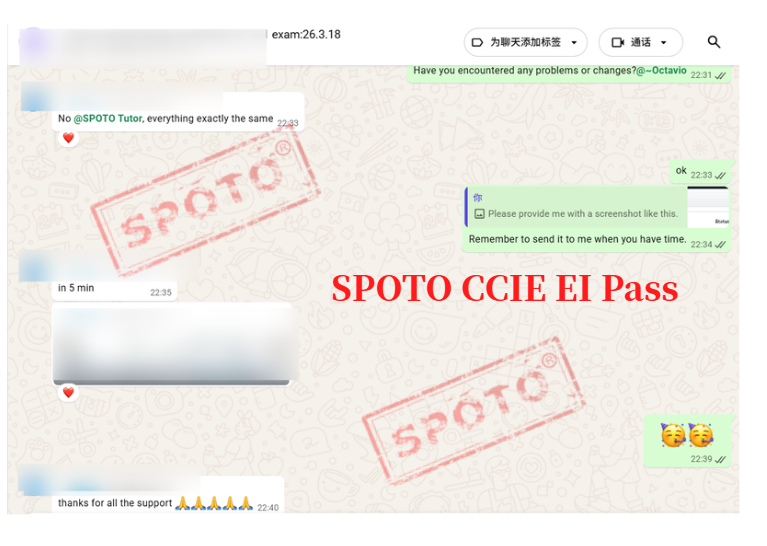
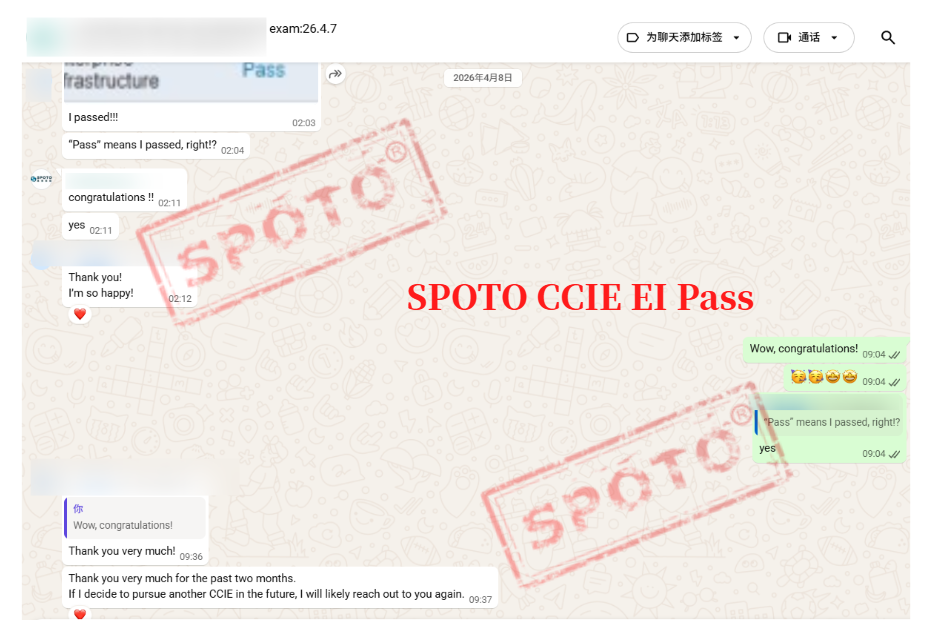
 

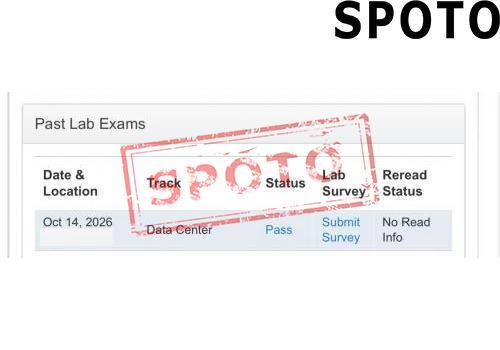
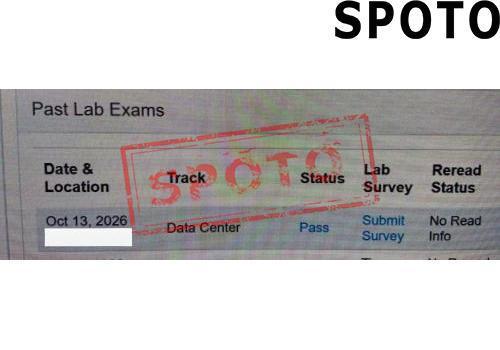
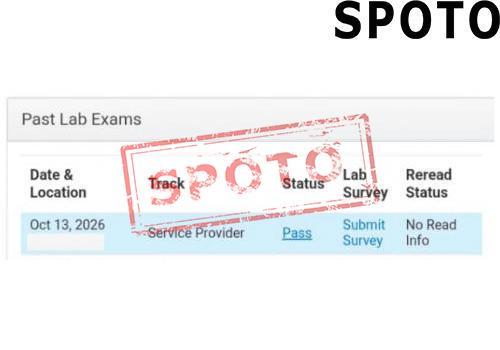
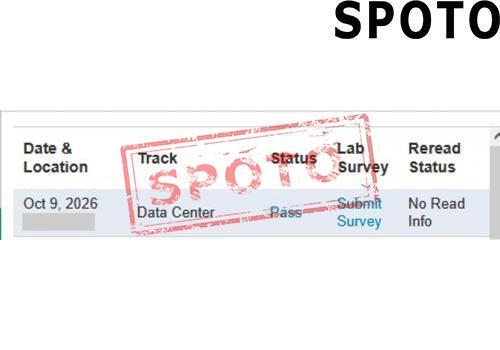
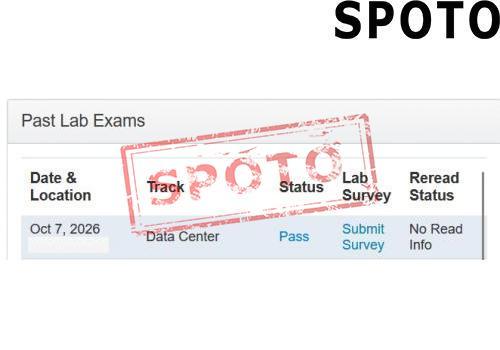
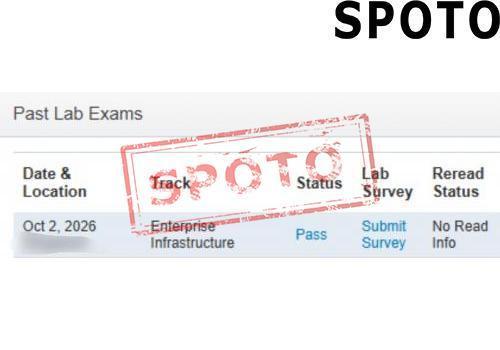
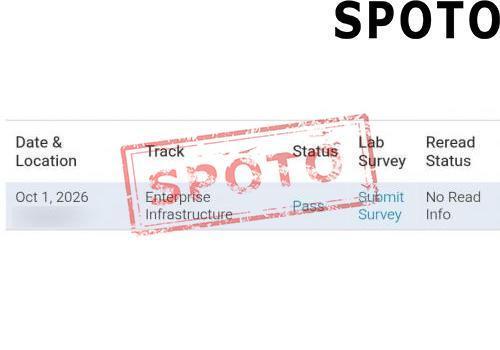
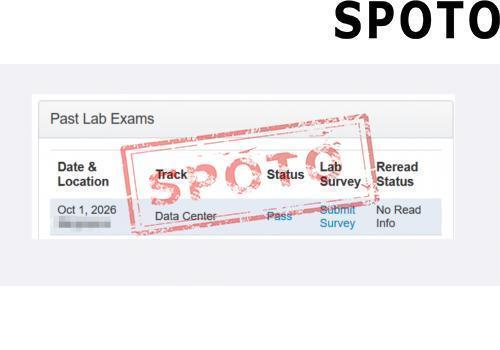
Latest Passing Reports from SPOTO Candidates
sec lab

sec lab

EI LAB

EI LAB

EI LAB

EI LAB

EI LAB

EI LAB

DC LAB

DC LAB

sec lab

sec lab

dc lab

dc lab

ccde lab

ccde lab

EI lab

EI lab

DC lab

DC lab

Write a Reply or Comment
Home/Blog/CCIE EI v1.1 Lab Exam In-Depth Analysis: Modernizing Enterprise Network Architecture and a Guide to Success
CCIE EI v1.1 Lab Exam In-Depth Analysis: Modernizing Enterprise Network Architecture and a Guide to Success
SPOTO 2 2026-04-27 11:22:06
CCIE EI v1.1 Lab Exam In-Depth Analysis: Modernizing Enterprise Network Architecture and a Guide to Success

With Cisco's refined iteration of the CCIE Enterprise Infrastructure (EI) certification track in February 2026, version 1.1 has now fully taken over exam centers worldwide. For every engineer aspiring to the title of a top-tier network architect, this represents not merely a minor tweak to exam topics, but a profound transformation—shifting the focus from "protocol configuration" to "automated service delivery."

As a leading global IT certification training platform, SPOTO offers you an in-depth interpretation of the core concepts within v1.1, along with effective strategies for passing the exam, all based on the latest syllabus.


1. Core Changes in v1.1: Precisely Aligning with Industry Frontiers

Although the scope of this upgrade was kept within 20%, Cisco utilized this opportunity to eliminate obsolete technologies—such as VTP and static GRE—and firmly shifted the exam's focus toward the software-defined nature and automated integration of enterprise network architectures.

(1) Deep Restructuring of Software-Defined Infrastructure

This constitutes the "scoring core" of the v1.1 exam. Cisco has engineered a structural reorganization of the tasks related to SDA and SD-WAN:

SDA Architectural Deepening: A new "Fabric-in-a-Box" design has been introduced, requiring candidates to implement full Fabric functionality within a minimalist node architecture. Simultaneously, the assessment of "Assurance" has been intensified; candidates are now expected not only to build the network but also—in the event of client access anomalies or sudden latency spikes within the Fabric—to utilize DNA Center to perform root-cause analysis and visualize/remediate paths with millisecond-level precision.

SD-WAN Cloud Edge Integration: The exam now includes new topics covering cloud-edge scenarios involving platforms such as AWS and Azure. Candidates are required to demonstrate proficiency in configuring vEdge/cEdge access within public cloud environments, as well as expertise in utilizing Application-Aware Routing (AAR) policies for dynamic traffic steering across complex WAN links.

(2) Automation: Upgraded from "Elective" to "Core Skill"

Version 1.1 explicitly designates YAML and Jinja2 templates as core exam topics.

Automated Configuration Generation: Candidates must be capable of writing dynamic configuration templates and leveraging Ansible to execute the batch deployment of devices across multiple sites on a large scale.

Comprehensive Adoption of Controller APIs: Legacy IOS XE API interactions have been completely retired, replaced by a deep, hands-on focus on vManage and DNA Center APIs. Candidates must demonstrate proficiency in utilizing the Python `requests`library and Postman to implement real-time network monitoring, compliance scanning, and automated fault response.

(3) Strengthening Network Infrastructure Robustness

Multi-Chassis EtherChannel (MEC): To address high-availability requirements within data centers, candidates must be able to identify and configure MEC to eliminate single points of failure at the link level.

Inter-VRF Route Leaking and MTU Optimization: In complex multi-tenant environments, candidates are required to exercise precise control over route mapping and VASI interfaces, while simultaneously performing MTU tuning to accommodate the demands of modern high-speed data transmission.


2. SPOTO's Core Exam Preparation Advantages: Guiding You to a Precise Pass

Facing a high-threshold environment where software versions have advanced to IOS XE 17.9, SD-WAN 20.9, and DNA Center 2.3, outdated study resources represent the greatest obstacle to passing the exam. Leveraging an industry-leading curriculum development system, SPOTO helps you navigate around these pitfalls:

High-Fidelity Full-Environment Simulation: We provide a hands-on practice environment that precisely mirrors the actual exam version. Unlike the disconnected question banks prevalent on the market, SPOTO's simulation environment accurately replicates the SDA/SD-WAN configuration interfaces, ensuring your operations flow seamlessly and confidently on exam day.

Automated Specialization Mastery: SPOTO's proprietary "Automation Programming Practice Pack"—ranging from Jinja2 template creation to hands-on vManage API exercises—utilizes dozens of real-world production scenarios to help you master a closed-loop skill set, spanning everything from underlying protocols to high-level orchestration.

Expert-Level Troubleshooting Mindset: Version 1.1 of the exam no longer fixates merely on whether a "configuration is correct" but rather assesses whether the "network remains healthy post-configuration." Our team of instructors simulates extreme scenarios—such as communication outages across multiple SD-Access sites—to train your ability to rapidly pinpoint and resolve issues.


3. A Recommended 12-Week Scientific Study Plan

SPOTO recommends that candidates adopt a steady, phased approach across three stages:

Solidifying the Foundation (Weeks 1–3): Review the list of changes introduced in v1.1, paying special attention to and highlighting new design logic—such as "Fabric in a Box"—and cloud-edge scenarios; utilize SPOTO's on-demand video courses to master the fundamentals of YAML and Jinja2.

Core Breakthroughs (Weeks 4–8): Enter the hands-on practice phase. Leverage the DevNet Sandbox and SPOTO's dedicated lab environment to engage in in-depth practice of SD-WAN policy configuration and the construction of automation pipelines using DNA Center APIs.

Full-Scale Mock Exam Sprint (Weeks 9–12): Activate the "Mock Lab" mode. Complete at least five sets of brand-new v1.1 mock exams, strictly adhering to the 8-hour time limit and exam procedures; focus specifically on strengthening your troubleshooting skills regarding version-specific discrepancies revealed during these practice exams.


4. Why Choose SPOTO?

SPOTO consistently stays synchronized with the official Cisco exam blueprints. With years of deep expertise in CCIE training, we offer far more than just a question bank—we provide the underlying logic.

We reject rote memorization; instead, we are dedicated to deconstructing the fundamental logic of the subject matter, ensuring that you not only pass the exam but also emerge as a true expert in enterprise network architecture.

From customized study plans to pre-exam Q&A sessions, SPOTO supports you through every step of your journey, helping you achieve success and earn your certification on your very first attempt.

Don't let exam version updates become a roadblock on your path to success. In this era of enterprise networks transitioning toward software-defined architectures, earning the CCIE EI v1.1 certification serves not only as the ultimate proof of your professional competitiveness but also as the finest testament to the depth of your technical expertise.
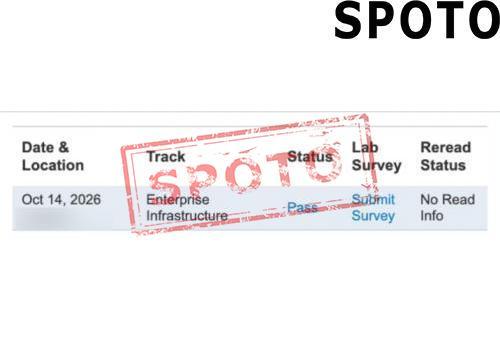
 

Latest Passing Reports from SPOTO Candidates
sec lab
EI LAB
EI LAB
EI LAB
DC LAB
sec lab
dc lab
ccde lab
EI lab
DC lab
Write a Reply or Comment
Don't Risk Your Certification Exam Success – Take Real Exam Questions
Eligible to sit for Exam? 100% Exam Pass GuaranteeEligible to sit for Exam? 100% Exam Pass Guarantee
SPOTO Ebooks
Recent Posts
CCIE EI v1.1 Lab Exam In-Depth Analysis: Modernizing Enterprise Network Architecture and a Guide to Success
CCIE DC LAB v3.1: A Full-Stack Practical Guide to Building Modern Data Centers
2026 Latest CCIE Automation v1.1 Exam Preparation Guide
CCIE Enterprise Infrastructure (EI v1.1) In-Depth Preparation Guide: From Protocol Expertise to Architectural Engineering
CCIE Automation (v1.1): Core Exam Changes and Advanced Preparation Strategies
CCIE Automation: An In-Depth Preparation Strategy for the New 2026 Certification Framework
CCIE Data Center (v3.1) Lab Exam In-Depth Analysis: Technical Evolution and Comprehensive Preparation Guide
CCIE EI LAB Exam: Latest Question Changes and Exam Impact Analysis
CCIE Automation Certification: Latest Question Changes and Exam Impact Analysis
CCIE DC LAB (v3.1) Exam: Latest Question Changes and Exam Impact Analysis
Excellent
5.0
Based on 5236 reviews
Request more information
I would like to receive email communications about product & offerings from SPOTO & its Affiliates.
I understand I can unsubscribe at any time.