Latest Cisco, PMP, AWS, CompTIA, Microsoft Materials on SALE Get Now Get Now
Home/
Blog/
CCIE Data Center Lab v3.1 Comprehensive Mastery Guide in 2026
SPOTO 2 2026-04-30 09:56:46
CCIE Data Center Lab v3.1 Comprehensive Mastery Guide in 2026

In February 2026, the CCIE Data Center (DC) certification officially transitioned to version 3.1. This evolution marks a significant shift toward automated infrastructure and modern fabric technologies. The exam remains an eight-hour challenge, split between a 3-hour Design module and a 5-hour Deploy, Operate, and Optimize module.

The most critical change is the elevation of automation to a 15% weighting, establishing it as the primary differentiator for elite candidates.

It can be said that the changes introduced in the CCIE DC LAB v3.1 exam represent a combination of technical stack upgrades and a sharpened focus on core competencies. The central emphasis has shifted from merely "knowing how to configure" to "knowing how to design data center architectures, integrate ACI, UCS, and storage solutions, leverage automation for service delivery, and resolve complex technical issues."


1. Core v1.1 Exam Modifications (Effective 2026)

Strategic Weighting and Technological Shifts

The curriculum is now divided into several high-impact domains. L2/L3 Connectivity accounts for 20% and focuses on BGP EVPN and OSPFv3 while retiring outdated STP concepts. Fabric Infrastructure (15%) and Fabric Connectivity (15%) have moved entirely toward ACI 5.2+ and Multi-Pod architectures, making ACI the undisputed heart of the exam.

Computing and Storage (25% combined) emphasize UCS Manager 4.0+, C-Series integration with ACI, and modern storage convergence using FC and FCoE over IP. Security and Services (10%) now focus on ACI micro-segmentation and firewall service chaining. Finally, Automation (15%) replaces traditional scripting with professional tools like Ansible, Terraform, and REST API interactions.

Mandatory Environment Versions

To avoid configuration failures due to syntax differences, your practice environment must strictly match the following versions:

Operating Systems: NX-OS 10.1, ACI APIC 5.2, MDS 9000 8.4

Hardware Management: UCS Manager 4.0+

Development Stack: Python 3.9+, Ansible 2.14+, Terraform 1.5+


2. Impact Analysis: Difficulty and Focus

The update initially triggers a slight dip in pass rates (typically 5–10%) as candidates adjust to the complexity of EVPN-VXLAN troubleshooting and the new Terraform requirements.

The core challenge is no longer just individual configurations but full-stack integration. Success requires demonstrating how ACI, UCS, and Storage work together under an automated deployment framework. You must transition from a "command-line" mindset to a "software-defined infrastructure" philosophy.


3. The 16-Week Implementation Roadmap

Phase 1: Foundations and Lab Setup (Weeks 1–3)

The goal is to map the v3.1 blueprint against your existing skills and build a high-fidelity lab environment. Focus on mastering the basics of ACI tenants, contracts, and UCS service profiles. Utilize resources like the Cisco DevNet Sandbox and Cisco Modeling Labs (CML) 2.0+ to ensure your environment is ready for deep-dive practice.

Phase 2: Core Technological Breakthroughs (Weeks 4–10)

This is the intensive execution phase. Dedicate your time to four specific pillars:

ACI Mastery: Deep-dive into Multi-Pod connectivity, Inter-VRF leaking, and micro-segmentation.

EVPN-VXLAN: Focus on L2/L3 EVPN and cross-data center extensions.

UCS Integration: Practice automating server pools and vNIC/vHBA profiles synchronized with ACI VLANs.

Automation Engineering: Develop Python scripts for ACI REST APIs and Terraform HCL for NX-OS infrastructure. Standardize your troubleshooting by analyzing APIC logs and BGP EVPN neighbor states.

Phase 3: Final Simulations and Optimization (Weeks 11–16)

Conduct weekly 8-hour mock exams. Use the first 3 hours to refine your architectural design documents and the remaining 5 hours to execute, troubleshoot, and optimize. Create a "troubleshooting playbook" to document common failure scenarios in ACI endpoint learning or Terraform state conflicts.


4. Professional Exam Tactics and Tips

Architectural Priority: The Design module is 30% of your success. Clear design diagrams and logical justifications are essential for high marks.

Automation Dominance: Manual configurations are inefficient. Mastery of Ansible and Terraform allows you to deploy fabrics at scale and ensures accuracy during the lab.

Standardized Diagnostics: Never troubleshoot randomly. Adhere to a rigid flow: analyze logs, check controller status, trace packet flows, and verify configuration parity.

Version Parity: Even minor version discrepancies can lead to "command not found" errors. Ensure your training environment is updated to ACI 5.2 and NX-OS 10.1.


5. Why Choose SPOTO for Your DC v3.1 Journey?

The complexity of the CCIE DC v3.1 syllabus demands more than just rote memorization. SPOTO provides a real-time update system that remains synchronized with the latest Cisco blueprints. We focus on deconstructing the underlying logic of data center architecture, ensuring you understand why a technology is deployed, not just how.

By choosing us, you receive the technical depth needed for the first-attempt pass and the practical expertise to lead as a premier Data Center Architect. Contact your SPOTO advisor today to access our exclusive v3.1 white papers and customized training tracks.
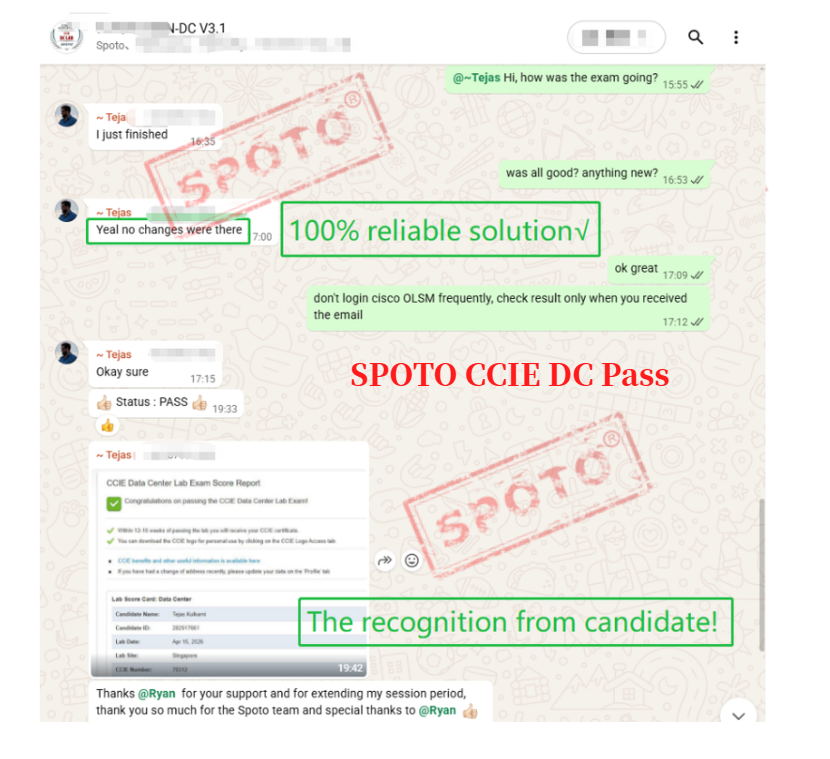
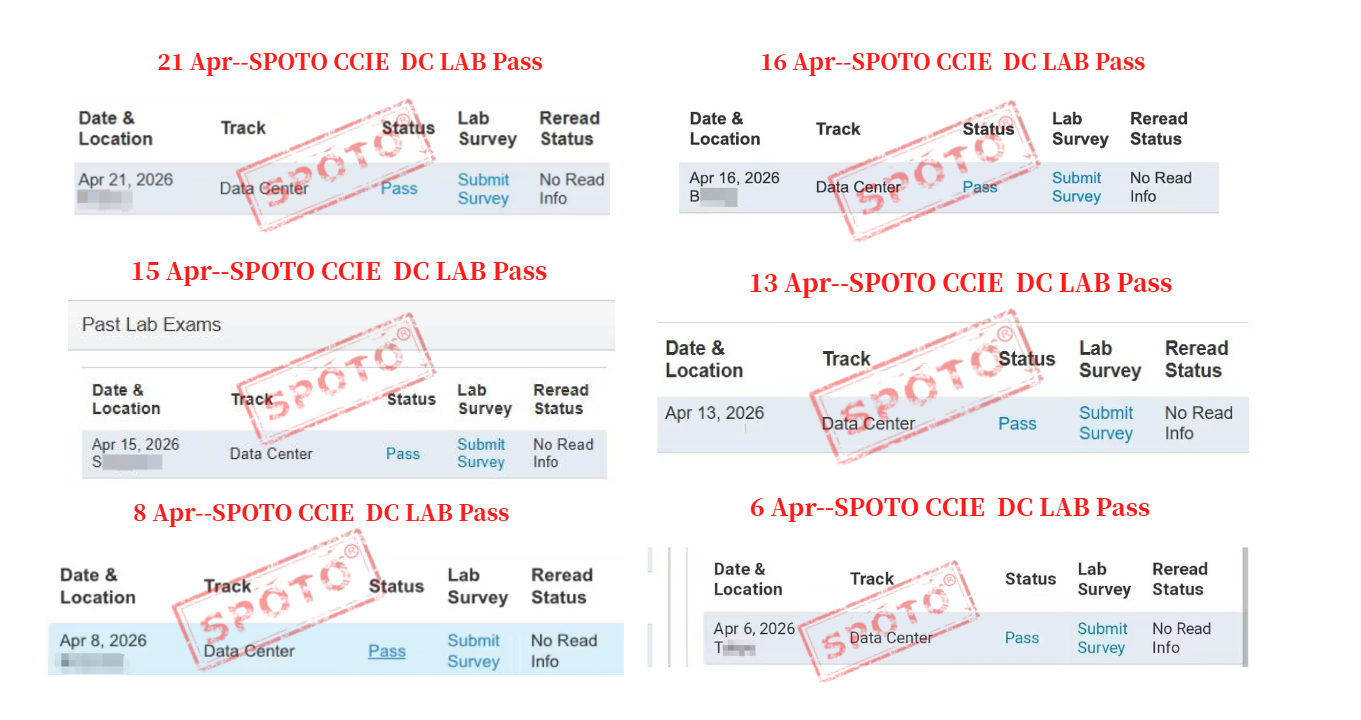
 

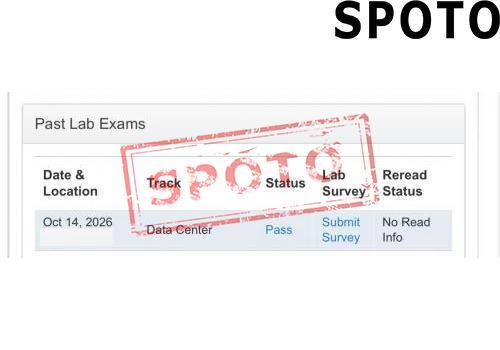
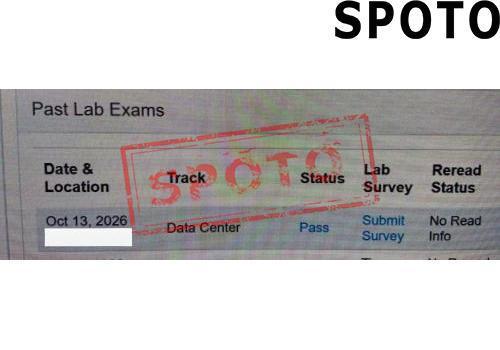
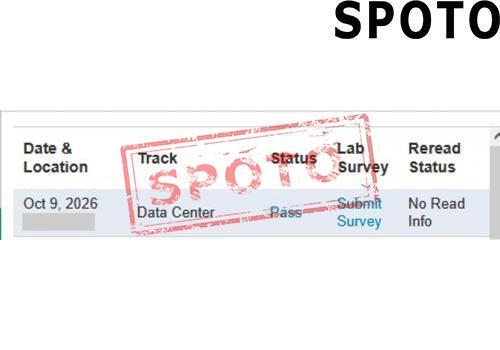
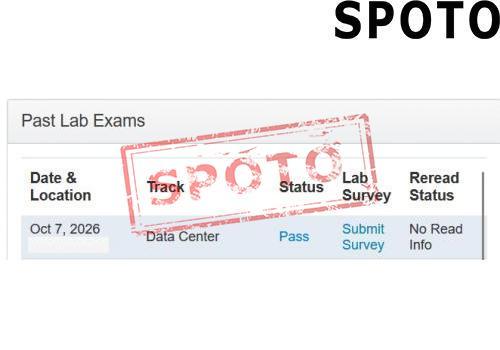
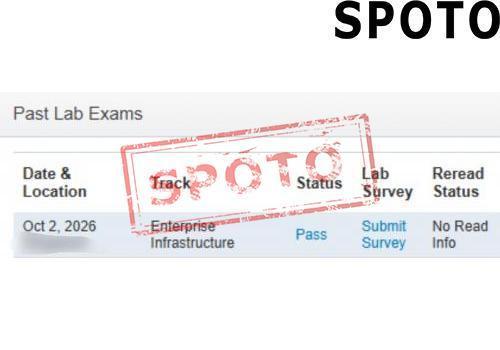
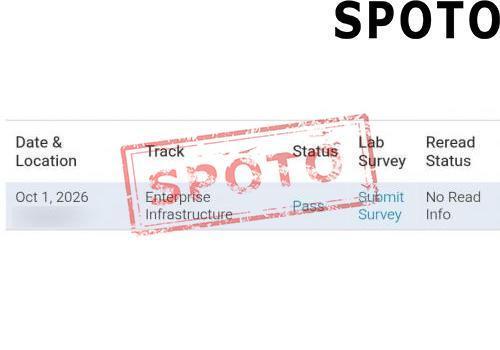
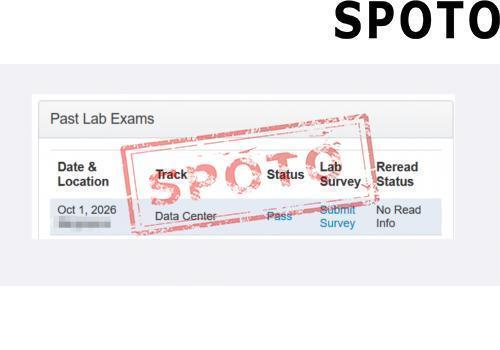
Latest Passing Reports from SPOTO Candidates
DC LAB

DC LAB

sec lab

sec lab

EI LAB

EI LAB

EI LAB

EI LAB

EI LAB

EI LAB

DC LAB

DC LAB

sec lab

sec lab

dc lab

dc lab

ccde lab

ccde lab

EI lab

EI lab

Write a Reply or Comment
Home/Blog/CCIE Data Center Lab v3.1 Comprehensive Mastery Guide in 2026
CCIE Data Center Lab v3.1 Comprehensive Mastery Guide in 2026
SPOTO 2 2026-04-30 09:56:46
CCIE Data Center Lab v3.1 Comprehensive Mastery Guide in 2026

In February 2026, the CCIE Data Center (DC) certification officially transitioned to version 3.1. This evolution marks a significant shift toward automated infrastructure and modern fabric technologies. The exam remains an eight-hour challenge, split between a 3-hour Design module and a 5-hour Deploy, Operate, and Optimize module.

The most critical change is the elevation of automation to a 15% weighting, establishing it as the primary differentiator for elite candidates.

It can be said that the changes introduced in the CCIE DC LAB v3.1 exam represent a combination of technical stack upgrades and a sharpened focus on core competencies. The central emphasis has shifted from merely "knowing how to configure" to "knowing how to design data center architectures, integrate ACI, UCS, and storage solutions, leverage automation for service delivery, and resolve complex technical issues."


1. Core v1.1 Exam Modifications (Effective 2026)

Strategic Weighting and Technological Shifts

The curriculum is now divided into several high-impact domains. L2/L3 Connectivity accounts for 20% and focuses on BGP EVPN and OSPFv3 while retiring outdated STP concepts. Fabric Infrastructure (15%) and Fabric Connectivity (15%) have moved entirely toward ACI 5.2+ and Multi-Pod architectures, making ACI the undisputed heart of the exam.

Computing and Storage (25% combined) emphasize UCS Manager 4.0+, C-Series integration with ACI, and modern storage convergence using FC and FCoE over IP. Security and Services (10%) now focus on ACI micro-segmentation and firewall service chaining. Finally, Automation (15%) replaces traditional scripting with professional tools like Ansible, Terraform, and REST API interactions.

Mandatory Environment Versions

To avoid configuration failures due to syntax differences, your practice environment must strictly match the following versions:

Operating Systems: NX-OS 10.1, ACI APIC 5.2, MDS 9000 8.4

Hardware Management: UCS Manager 4.0+

Development Stack: Python 3.9+, Ansible 2.14+, Terraform 1.5+


2. Impact Analysis: Difficulty and Focus

The update initially triggers a slight dip in pass rates (typically 5–10%) as candidates adjust to the complexity of EVPN-VXLAN troubleshooting and the new Terraform requirements.

The core challenge is no longer just individual configurations but full-stack integration. Success requires demonstrating how ACI, UCS, and Storage work together under an automated deployment framework. You must transition from a "command-line" mindset to a "software-defined infrastructure" philosophy.


3. The 16-Week Implementation Roadmap

Phase 1: Foundations and Lab Setup (Weeks 1–3)

The goal is to map the v3.1 blueprint against your existing skills and build a high-fidelity lab environment. Focus on mastering the basics of ACI tenants, contracts, and UCS service profiles. Utilize resources like the Cisco DevNet Sandbox and Cisco Modeling Labs (CML) 2.0+ to ensure your environment is ready for deep-dive practice.

Phase 2: Core Technological Breakthroughs (Weeks 4–10)

This is the intensive execution phase. Dedicate your time to four specific pillars:

ACI Mastery: Deep-dive into Multi-Pod connectivity, Inter-VRF leaking, and micro-segmentation.

EVPN-VXLAN: Focus on L2/L3 EVPN and cross-data center extensions.

UCS Integration: Practice automating server pools and vNIC/vHBA profiles synchronized with ACI VLANs.

Automation Engineering: Develop Python scripts for ACI REST APIs and Terraform HCL for NX-OS infrastructure. Standardize your troubleshooting by analyzing APIC logs and BGP EVPN neighbor states.

Phase 3: Final Simulations and Optimization (Weeks 11–16)

Conduct weekly 8-hour mock exams. Use the first 3 hours to refine your architectural design documents and the remaining 5 hours to execute, troubleshoot, and optimize. Create a "troubleshooting playbook" to document common failure scenarios in ACI endpoint learning or Terraform state conflicts.


4. Professional Exam Tactics and Tips

Architectural Priority: The Design module is 30% of your success. Clear design diagrams and logical justifications are essential for high marks.

Automation Dominance: Manual configurations are inefficient. Mastery of Ansible and Terraform allows you to deploy fabrics at scale and ensures accuracy during the lab.

Standardized Diagnostics: Never troubleshoot randomly. Adhere to a rigid flow: analyze logs, check controller status, trace packet flows, and verify configuration parity.

Version Parity: Even minor version discrepancies can lead to "command not found" errors. Ensure your training environment is updated to ACI 5.2 and NX-OS 10.1.


5. Why Choose SPOTO for Your DC v3.1 Journey?

The complexity of the CCIE DC v3.1 syllabus demands more than just rote memorization. SPOTO provides a real-time update system that remains synchronized with the latest Cisco blueprints. We focus on deconstructing the underlying logic of data center architecture, ensuring you understand why a technology is deployed, not just how.

By choosing us, you receive the technical depth needed for the first-attempt pass and the practical expertise to lead as a premier Data Center Architect. Contact your SPOTO advisor today to access our exclusive v3.1 white papers and customized training tracks.
 

Latest Passing Reports from SPOTO Candidates
DC LAB
sec lab
EI LAB
EI LAB
EI LAB
DC LAB
sec lab
dc lab
ccde lab
EI lab
Write a Reply or Comment
Don't Risk Your Certification Exam Success – Take Real Exam Questions
Eligible to sit for Exam? 100% Exam Pass GuaranteeEligible to sit for Exam? 100% Exam Pass Guarantee
SPOTO Ebooks
Recent Posts
The Definitive 2026 Guide to CCIE Data Center (v3.1): From Curriculum Evolution to Certification Mastery
CCIE Data Center Lab v3.1 Comprehensive Mastery Guide in 2026
Mastering CCIE Automation v1.1: A 2026 Roadmap for Architectural Excellence
Master the CCIE Enterprise Infrastructure (v1.1) Lab: A Strategic Guide to Architectural Transformation
CCIE Enterprise Infrastructure (v1.1) Advanced Mastery: Architecture Transformation and Exam Strategy
2026 CCIE Automation (v1.1) Advanced Guide: From Certification Transformation to Practical Exam Mastery
CCIE EI v1.1 Lab Exam In-Depth Analysis: Modernizing Enterprise Network Architecture and a Guide to Success
CCIE DC LAB v3.1: A Full-Stack Practical Guide to Building Modern Data Centers
2026 Latest CCIE Automation v1.1 Exam Preparation Guide
CCIE Enterprise Infrastructure (EI v1.1) In-Depth Preparation Guide: From Protocol Expertise to Architectural Engineering
Excellent
5.0
Based on 5236 reviews
Request more information
I would like to receive email communications about product & offerings from SPOTO & its Affiliates.
I understand I can unsubscribe at any time.