Latest Cisco, PMP, AWS, CompTIA, Microsoft Materials on SALE Get Now Get Now
Home/
Blog/
Career Guide: Becoming a Security Framework Architect
SPOTO 2025-05-15 11:19:01
Career Guide: Becoming a Security Framework Architect

A security architect is a senior information technology professional responsible for planning, implementing, and overseeing computer and network security systems.This article will introduce you to what a Security Architect is, the career information and prospects of a Security Architect, and the necessary conditions to become a Security Architect.

1. What is a Security Architect ?

A security architect is a senior information technology professional responsible for planning, implementing, and overseeing computer and network security systems.

2. What does a Security Architect do?

The daily responsibilities of a security architect vary depending on the industry and size of the company. The main work content includes developing and optimizing the overall security plan of the organization, planning the procurement budget of security-related software and hardware, promoting security construction projects, developing and supervising security testing processes (such as vulnerability assessment and penetration testing), conducting regular threat intelligence analysis, leading the network security team, and ensuring that the company's security practices comply with relevant legal and compliance requirements.

3. Career Insights: Salary, Outlook & Related Roles

(1) Security Architect Salary

According to Glassdoor, the estimated total salary for security architects is $221,719 per year, with an average salary of $163,953 per year. The estimated additional salary is $57,766 per year. In some cases, an entry-level architect may make around $79,000 per year, while an experienced professional may make closer to $140,000 per year. Some security architects may also receive bonuses, commissions, or profit sharing.

(2) Job Outlook of Security Architect

As cyber threats continue to change in form and severity, fighting hackers, defending against viruses, and detecting vulnerabilities are all part of cybersecurity. According to the U.S. Bureau of Labor Statistics (BLS), employment of computer network architects is expected to grow by 5% between 2020 and 2030.

(3) Similar Occupations

  • Security Engineer
  • Information Security Specialist
  • Cyber Security Analyst
  • Chief Information Security Officer (CISO)
  • Information Security Manager
  • Information Security Engineer
  • Cybersecurity Analyst
  • Cloud Security Architect / Engineer
  • SOC Analyst

4. What Are the Qualifications to Become a Security Architect?

(1) Obtain a Bachelor's Degree

When companies or organizations are looking to hire web developers, they often require a bachelor's degree in computer science, computer engineering, or a related field. In addition, a master's degree in a field such as computer science is more likely to be favored by employers when applying for a job.

(2) Develop professional skills

The skills required by security architects are mainly skills that serve enterprise security operations. First of all, security architects need to understand the best practices for maintaining cloud environment security. Balance business needs and security needs to ensure that the organization's network is secure and functioning properly. Secondly, being proficient or even proficient in software development and DevSecOps, and the ability to write code in Python or PowerShell to automate tasks can help you improve your work efficiency. Furthermore, manage identity and access management of enterprise network systems and databases, protect data from unauthorized access, and ensure that people who need data can access the data. Finally, you need to master Linux, Windows, and Mac operating systems to solve security issues unique to each operating system.

(3) Earn Industry Certifications

When applying for infrastructure engineer positions, it is helpful to obtain certain certifications as they can help you develop the key skills and knowledge required for the position and make your resume more noticeable to employers.Some employers prefer to hire candidates with experience in sales or a related technical field, such as engineering or computer science. CCIE Security certification demonstrates your mastery of planning, design, deployment, operation, and optimization of complex enterprise security network solutions. With the Cisco Certified Internetwork Expert (CCIE) Security certification, you can boost your career as a security architect.
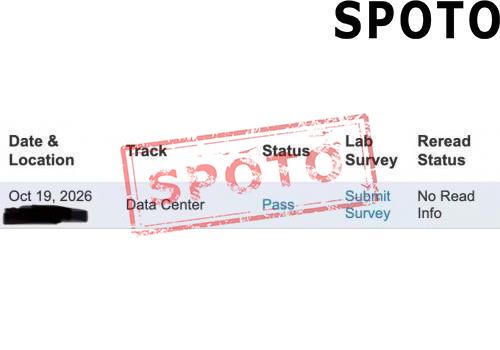
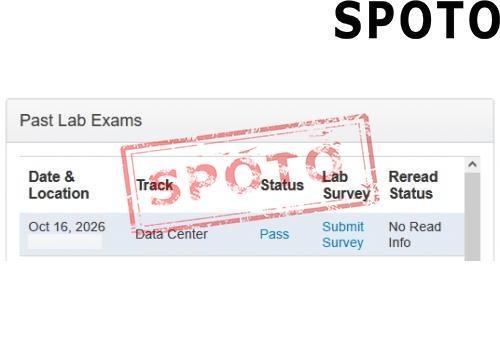
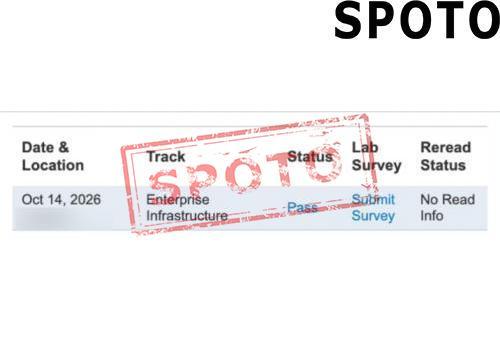
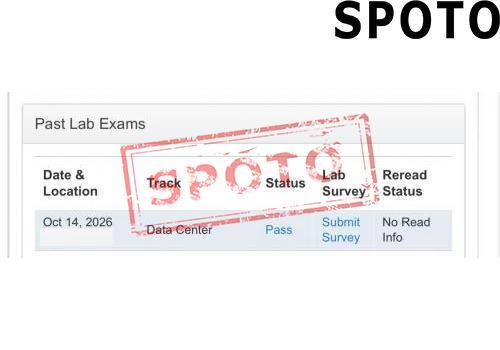
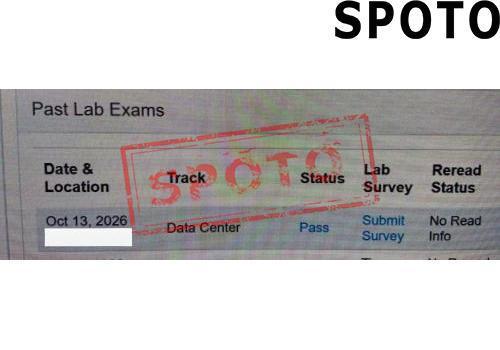
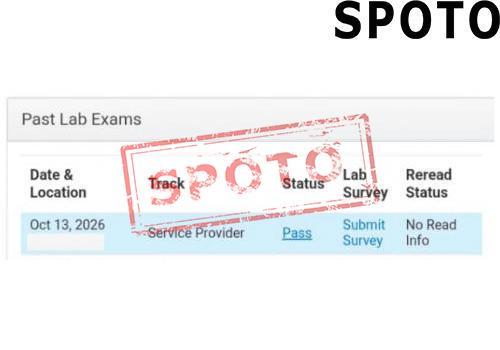
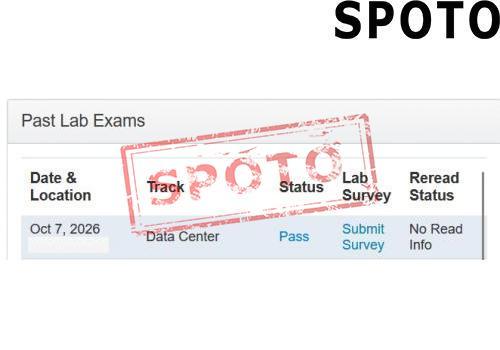
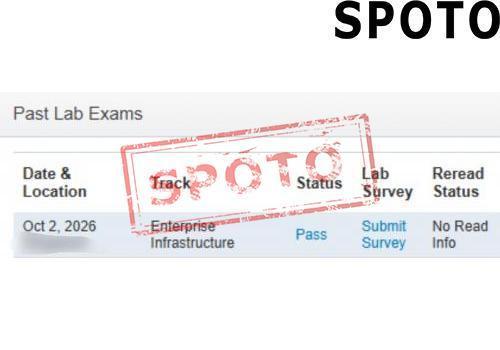
Latest Passing Reports from SPOTO Candidates
EI LAB

EI LAB

EI LAB

EI LAB

DC LAB

DC LAB

sec lab

sec lab

dc lab

dc lab

ccde lab

ccde lab

EI lab

EI lab

DC lab

DC lab

EI Lab

EI Lab

EI Lab

EI Lab

Write a Reply or Comment
Home/Blog/Career Guide: Becoming a Security Framework Architect
Career Guide: Becoming a Security Framework Architect
SPOTO 2025-05-15 11:19:01
Career Guide: Becoming a Security Framework Architect

A security architect is a senior information technology professional responsible for planning, implementing, and overseeing computer and network security systems.This article will introduce you to what a Security Architect is, the career information and prospects of a Security Architect, and the necessary conditions to become a Security Architect.

1. What is a Security Architect ?

A security architect is a senior information technology professional responsible for planning, implementing, and overseeing computer and network security systems.

2. What does a Security Architect do?

The daily responsibilities of a security architect vary depending on the industry and size of the company. The main work content includes developing and optimizing the overall security plan of the organization, planning the procurement budget of security-related software and hardware, promoting security construction projects, developing and supervising security testing processes (such as vulnerability assessment and penetration testing), conducting regular threat intelligence analysis, leading the network security team, and ensuring that the company's security practices comply with relevant legal and compliance requirements.

3. Career Insights: Salary, Outlook & Related Roles

(1) Security Architect Salary

According to Glassdoor, the estimated total salary for security architects is $221,719 per year, with an average salary of $163,953 per year. The estimated additional salary is $57,766 per year. In some cases, an entry-level architect may make around $79,000 per year, while an experienced professional may make closer to $140,000 per year. Some security architects may also receive bonuses, commissions, or profit sharing.

(2) Job Outlook of Security Architect

As cyber threats continue to change in form and severity, fighting hackers, defending against viruses, and detecting vulnerabilities are all part of cybersecurity. According to the U.S. Bureau of Labor Statistics (BLS), employment of computer network architects is expected to grow by 5% between 2020 and 2030.

(3) Similar Occupations

  • Security Engineer
  • Information Security Specialist
  • Cyber Security Analyst
  • Chief Information Security Officer (CISO)
  • Information Security Manager
  • Information Security Engineer
  • Cybersecurity Analyst
  • Cloud Security Architect / Engineer
  • SOC Analyst

4. What Are the Qualifications to Become a Security Architect?

(1) Obtain a Bachelor's Degree

When companies or organizations are looking to hire web developers, they often require a bachelor's degree in computer science, computer engineering, or a related field. In addition, a master's degree in a field such as computer science is more likely to be favored by employers when applying for a job.

(2) Develop professional skills

The skills required by security architects are mainly skills that serve enterprise security operations. First of all, security architects need to understand the best practices for maintaining cloud environment security. Balance business needs and security needs to ensure that the organization's network is secure and functioning properly. Secondly, being proficient or even proficient in software development and DevSecOps, and the ability to write code in Python or PowerShell to automate tasks can help you improve your work efficiency. Furthermore, manage identity and access management of enterprise network systems and databases, protect data from unauthorized access, and ensure that people who need data can access the data. Finally, you need to master Linux, Windows, and Mac operating systems to solve security issues unique to each operating system.

(3) Earn Industry Certifications

When applying for infrastructure engineer positions, it is helpful to obtain certain certifications as they can help you develop the key skills and knowledge required for the position and make your resume more noticeable to employers.Some employers prefer to hire candidates with experience in sales or a related technical field, such as engineering or computer science. CCIE Security certification demonstrates your mastery of planning, design, deployment, operation, and optimization of complex enterprise security network solutions. With the Cisco Certified Internetwork Expert (CCIE) Security certification, you can boost your career as a security architect.
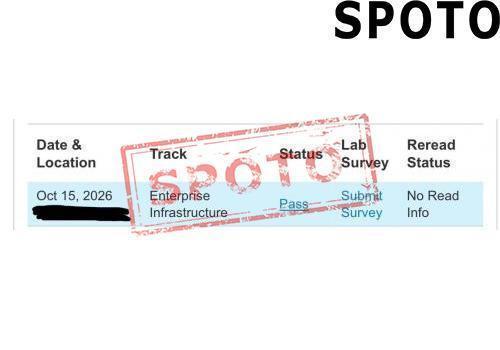
Latest Passing Reports from SPOTO Candidates
EI LAB
EI LAB
DC LAB
sec lab
dc lab
ccde lab
EI lab
DC lab
EI Lab
EI Lab
Write a Reply or Comment
Don't Risk Your Certification Exam Success – Take Real Exam Questions
Eligible to sit for Exam? 100% Exam Pass GuaranteeEligible to sit for Exam? 100% Exam Pass Guarantee
SPOTO Ebooks
Recent Posts
2026 Latest CCIE Automation v1.1 Exam Preparation Guide
CCIE Enterprise Infrastructure (EI v1.1) In-Depth Preparation Guide: From Protocol Expertise to Architectural Engineering
CCIE Automation (v1.1): Core Exam Changes and Advanced Preparation Strategies
CCIE Automation: An In-Depth Preparation Strategy for the New 2026 Certification Framework
CCIE Data Center (v3.1) Lab Exam In-Depth Analysis: Technical Evolution and Comprehensive Preparation Guide
CCIE EI LAB Exam: Latest Question Changes and Exam Impact Analysis
CCIE Automation Certification: Latest Question Changes and Exam Impact Analysis
CCIE DC LAB (v3.1) Exam: Latest Question Changes and Exam Impact Analysis
2026 Microsoft AZ-104 Exam Update: What You Need to Prepare?
2026 CCNA Exam Update: The Latest Changes You Need to Know
Excellent
5.0
Based on 5236 reviews
Request more information
I would like to receive email communications about product & offerings from SPOTO & its Affiliates.
I understand I can unsubscribe at any time.