Latest Cisco, PMP, AWS, CompTIA, Microsoft Materials on SALE Get Now Get Now
Home/
Blog/
2026 CCIE Automation (v1.1) Advanced Guide: From Certification Transformation to Practical Exam Mastery
SPOTO 2 2026-04-28 11:27:48
2026 CCIE Automation (v1.1) Advanced Guide: From Certification Transformation to Practical Exam Mastery

As of February 3, 2026, Cisco has officially upgraded the DevNet Expert certification to CCIE Automation v1.1. This rebranding marks the full integration of automation into Cisco's premier certification framework. While the exam blueprint remains stable, the assessment now places a much heavier emphasis on engineering delivery, multi-platform integration, and architectural solution design.

The CCIE Automation v1.1 exam primarily assesses your "System Integration Capabilities." By mastering standardized lab environment configurations, building a modular code library, and engaging in high-intensity mock exams, you can consolidate fragmented knowledge points into a cohesive, reusable automation architecture—thereby ensuring your success.


1. The New Exam Landscape: Reshaping Capabilities

The v1.1 exam retains the 8-hour, end-to-end format—comprising a Design module (3 hours) and a Deploy & Operate module (5 hours)—but shifts its focus toward cloud-native and hybrid-production environments.

Five Core Pillars (Balanced Weights): Software Design (20%), Automation Programming (20%), Infrastructure as Code (20%), Network Security Automation (20%), and Operations & Troubleshooting (20%).

Strategic Shift: The core objective has evolved from mere "scripting" to "architectural solution delivery," requiring candidates to demonstrate end-to-end system integration and high-availability platform planning.


2. Technology Stack Evolution: New Tools and Advanced Paths

Candidates must abandon outdated manual configurations and adopt a framework centered on modern controllers and industry-standard IaC tools.

Key Additions (Critical for Scoring)

Hybrid Cloud Integration: AWS/Azure interconnectivity with private data centers, leveraging Terraform's multi-cloud provider capabilities.

Controller APIs: Comprehensive proficiency in DNA Center 2.3+, vManage 20.9+, and ACI 5.2+, focusing on event triggering, state synchronization, and automated batch deployment.

IaC & CI/CD Pipelines: Advanced Ansible role reusability; Terraform state management (remote S3/Consul storage); and automated regression testing via pyATS.

Full-Stack Observability: Utilizing Prometheus and Grafana for log aggregation and telemetry-driven fault correlation.

Security Automation: Integration of OWASP compliance checks, API token dynamic encryption, and Tetration micro-segmentation.

Eliminated Topics (Stop Studying)

Puppet, legacy Python 2.x, traditional IOS XE CLI automation, and obsolete telemetry protocols have been entirely removed.

Version Alignment

Critical Note: Practice environments must match official specifications: Nexus OS 10.1, DNA Center 2.3, and SD-WAN 20.9. Version mismatches are the most frequent cause of failed lab exercises.


3. The Four-Phase Exam Preparation Strategy (12–16 Weeks)

Phase 1: Knowledge Foundation (Weeks 1–3)

Blueprint Analysis: Download the official exam blueprint to identify and focus on new topics, such as "Hybrid Cloud Design" and "Controller APIs."

Toolset Integration: Master advanced Jinja2 data structure rendering, Python exception handling, and Git workflows.

Sandbox Practice: Leverage free resources from the Cisco DevNet Sandbox to perform your first data interactions directly on actual controller interfaces.

Phase 2: Core Proficiency (Weeks 4–10)

API Architecture: Move beyond simple GET requests; practice handling exception flows via APIs and implementing idempotency for batch configuration tasks.

Practical Project Matrix: Focus on completing the following key projects: ① CI/CD-based automated backup and validation; ② Cross-data center traffic orchestration; ③ Dynamic security policy deployment; ④ Multi-platform API integration for automated fault remediation.

Troubleshooting Standardization: Document high-frequency failure scenarios—such as API return code anomalies, state file lock conflicts, and cross-platform communication interruptions—to compile your own personal troubleshooting guide.

Phase 3: Full-Cycle High-Pressure Simulation (Weeks 11–14)

Extreme Pressure Drills: Conduct a weekly 8-hour, full-scale lab simulation, with a strict requirement to produce a comprehensive "Automation Solution Design Document" within just 3 hours.

Correction Mechanism: Analyze areas where points were lost during simulations, paying particular attention to the logic behind Terraform modules and Jinja2 control flows.

Phase 4: Sprint and Consolidation (Weeks 15–16)

Quick Reference Guides: Compile lists of frequently used API endpoints, configuration file template snippets, and step-by-step troubleshooting algorithms

Exam Strategy Optimization: Refine your time management skills to ensure all deployment tasks are completed within 4 hours, reserving the final hour for performance validation and documentation refinement.


4. Score-Boosting Tips

Prioritize Architectural Thinking: The "Design" module accounts for 30% of the total score; clear design diagrams, standardized documentation, and a logical approach to maintainability are the fundamental keys to earning points.

API-First Principle: In the exam, actions performed via the CLI (Command Line Interface) generally do not count toward your score; all operational tasks must be executed using automation tools. Standardized Troubleshooting: Adhere to a standardized logical workflow—"Log Analysis → API Return Code Verification → Configuration Comparison → Traffic Verification"—to avoid blind trial-and-error.

Access to Official Documentation: Access to the documentation library is permitted during the exam; therefore, you should practice developing the ability to "locate specific API parameters within 30 seconds."


5. Core Exam Preparation Resources

Hands-on Practice Centers: Cisco DevNet Sandbox (a production-grade lab environment) and CML 2.0+ (a local simulation environment).

Learning Paths: The specialized "Automation" learning path provided on the Cisco U platform, as well as hands-on courseware from INE.

Code Repositories: Maintain a personal GitHub repository to organize and curate your Ansible Playbooks and Terraform modules.


6. Why Choose SPOTO?

Are you overwhelmed by the complexity of the CCIE syllabus and constant version shifts?

SPOTO offers a real-time update system synchronized with official Cisco sources, ensuring your study materials remain perfectly aligned with the latest exam blueprints. We reject rote memorization. Instead, we are dedicated to deconstructing the fundamental logic of enterprise network architecture.

Choose SPOTO to gain the "golden key" to professional advancement—not only securing a first-attempt pass but also emerging as a true architect capable of leading the industry.

Ready to start your journey? Contact your SPOTO study advisor today to access our latest white papers and custom study plans!
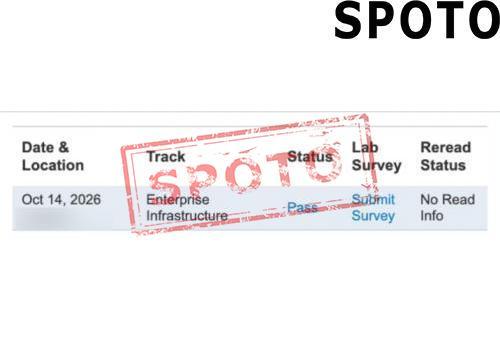
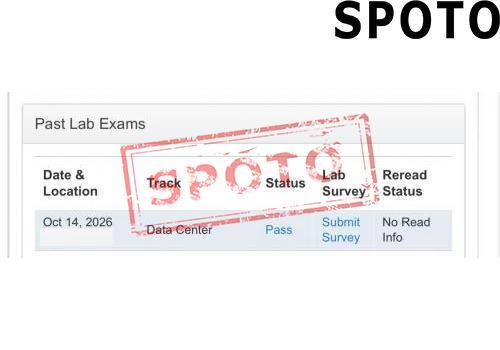
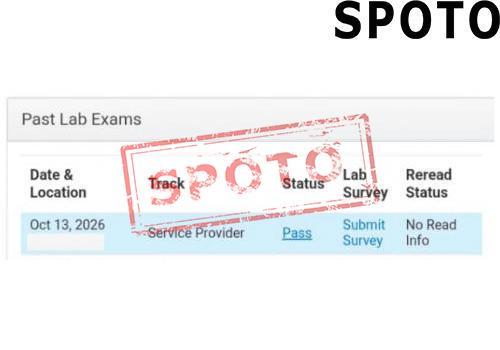
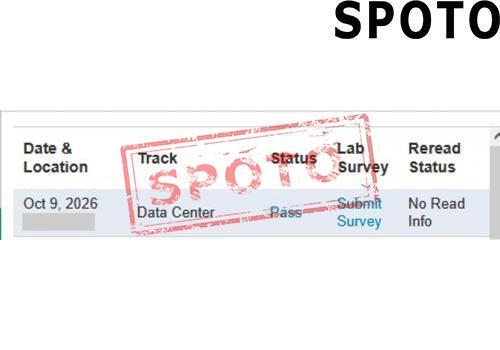
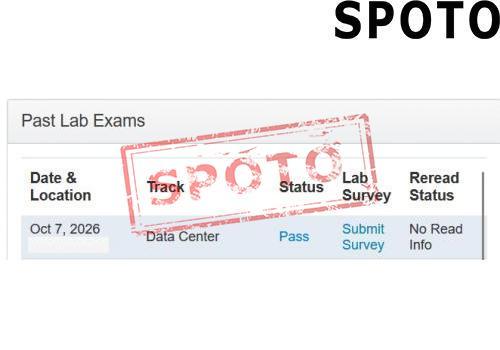
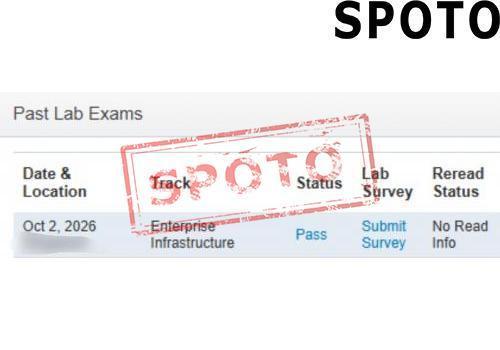
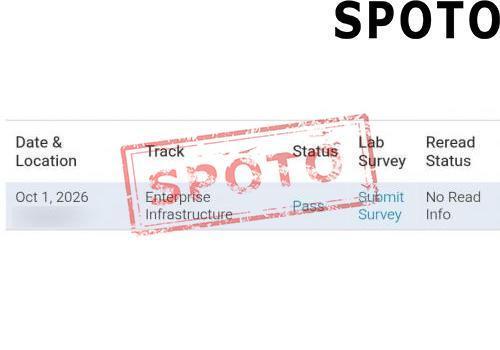
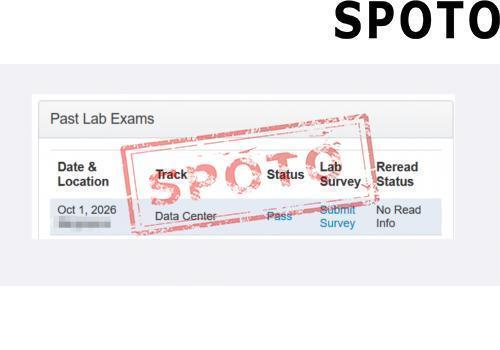
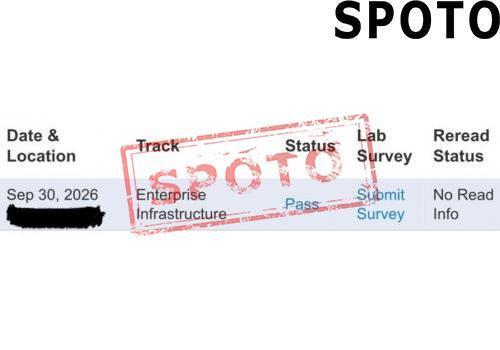
Latest Passing Reports from SPOTO Candidates
sec lab

sec lab

EI LAB

EI LAB

EI LAB

EI LAB

EI LAB

EI LAB

DC LAB

DC LAB

sec lab

sec lab

dc lab

dc lab

ccde lab

ccde lab

EI lab

EI lab

DC lab

DC lab

Write a Reply or Comment
Home/Blog/2026 CCIE Automation (v1.1) Advanced Guide: From Certification Transformation to Practical Exam Mastery
2026 CCIE Automation (v1.1) Advanced Guide: From Certification Transformation to Practical Exam Mastery
SPOTO 2 2026-04-28 11:27:48
2026 CCIE Automation (v1.1) Advanced Guide: From Certification Transformation to Practical Exam Mastery

As of February 3, 2026, Cisco has officially upgraded the DevNet Expert certification to CCIE Automation v1.1. This rebranding marks the full integration of automation into Cisco's premier certification framework. While the exam blueprint remains stable, the assessment now places a much heavier emphasis on engineering delivery, multi-platform integration, and architectural solution design.

The CCIE Automation v1.1 exam primarily assesses your "System Integration Capabilities." By mastering standardized lab environment configurations, building a modular code library, and engaging in high-intensity mock exams, you can consolidate fragmented knowledge points into a cohesive, reusable automation architecture—thereby ensuring your success.


1. The New Exam Landscape: Reshaping Capabilities

The v1.1 exam retains the 8-hour, end-to-end format—comprising a Design module (3 hours) and a Deploy & Operate module (5 hours)—but shifts its focus toward cloud-native and hybrid-production environments.

Five Core Pillars (Balanced Weights): Software Design (20%), Automation Programming (20%), Infrastructure as Code (20%), Network Security Automation (20%), and Operations & Troubleshooting (20%).

Strategic Shift: The core objective has evolved from mere "scripting" to "architectural solution delivery," requiring candidates to demonstrate end-to-end system integration and high-availability platform planning.


2. Technology Stack Evolution: New Tools and Advanced Paths

Candidates must abandon outdated manual configurations and adopt a framework centered on modern controllers and industry-standard IaC tools.

Key Additions (Critical for Scoring)

Hybrid Cloud Integration: AWS/Azure interconnectivity with private data centers, leveraging Terraform's multi-cloud provider capabilities.

Controller APIs: Comprehensive proficiency in DNA Center 2.3+, vManage 20.9+, and ACI 5.2+, focusing on event triggering, state synchronization, and automated batch deployment.

IaC & CI/CD Pipelines: Advanced Ansible role reusability; Terraform state management (remote S3/Consul storage); and automated regression testing via pyATS.

Full-Stack Observability: Utilizing Prometheus and Grafana for log aggregation and telemetry-driven fault correlation.

Security Automation: Integration of OWASP compliance checks, API token dynamic encryption, and Tetration micro-segmentation.

Eliminated Topics (Stop Studying)

Puppet, legacy Python 2.x, traditional IOS XE CLI automation, and obsolete telemetry protocols have been entirely removed.

Version Alignment

Critical Note: Practice environments must match official specifications: Nexus OS 10.1, DNA Center 2.3, and SD-WAN 20.9. Version mismatches are the most frequent cause of failed lab exercises.


3. The Four-Phase Exam Preparation Strategy (12–16 Weeks)

Phase 1: Knowledge Foundation (Weeks 1–3)

Blueprint Analysis: Download the official exam blueprint to identify and focus on new topics, such as "Hybrid Cloud Design" and "Controller APIs."

Toolset Integration: Master advanced Jinja2 data structure rendering, Python exception handling, and Git workflows.

Sandbox Practice: Leverage free resources from the Cisco DevNet Sandbox to perform your first data interactions directly on actual controller interfaces.

Phase 2: Core Proficiency (Weeks 4–10)

API Architecture: Move beyond simple GET requests; practice handling exception flows via APIs and implementing idempotency for batch configuration tasks.

Practical Project Matrix: Focus on completing the following key projects: ① CI/CD-based automated backup and validation; ② Cross-data center traffic orchestration; ③ Dynamic security policy deployment; ④ Multi-platform API integration for automated fault remediation.

Troubleshooting Standardization: Document high-frequency failure scenarios—such as API return code anomalies, state file lock conflicts, and cross-platform communication interruptions—to compile your own personal troubleshooting guide.

Phase 3: Full-Cycle High-Pressure Simulation (Weeks 11–14)

Extreme Pressure Drills: Conduct a weekly 8-hour, full-scale lab simulation, with a strict requirement to produce a comprehensive "Automation Solution Design Document" within just 3 hours.

Correction Mechanism: Analyze areas where points were lost during simulations, paying particular attention to the logic behind Terraform modules and Jinja2 control flows.

Phase 4: Sprint and Consolidation (Weeks 15–16)

Quick Reference Guides: Compile lists of frequently used API endpoints, configuration file template snippets, and step-by-step troubleshooting algorithms

Exam Strategy Optimization: Refine your time management skills to ensure all deployment tasks are completed within 4 hours, reserving the final hour for performance validation and documentation refinement.


4. Score-Boosting Tips

Prioritize Architectural Thinking: The "Design" module accounts for 30% of the total score; clear design diagrams, standardized documentation, and a logical approach to maintainability are the fundamental keys to earning points.

API-First Principle: In the exam, actions performed via the CLI (Command Line Interface) generally do not count toward your score; all operational tasks must be executed using automation tools. Standardized Troubleshooting: Adhere to a standardized logical workflow—"Log Analysis → API Return Code Verification → Configuration Comparison → Traffic Verification"—to avoid blind trial-and-error.

Access to Official Documentation: Access to the documentation library is permitted during the exam; therefore, you should practice developing the ability to "locate specific API parameters within 30 seconds."


5. Core Exam Preparation Resources

Hands-on Practice Centers: Cisco DevNet Sandbox (a production-grade lab environment) and CML 2.0+ (a local simulation environment).

Learning Paths: The specialized "Automation" learning path provided on the Cisco U platform, as well as hands-on courseware from INE.

Code Repositories: Maintain a personal GitHub repository to organize and curate your Ansible Playbooks and Terraform modules.


6. Why Choose SPOTO?

Are you overwhelmed by the complexity of the CCIE syllabus and constant version shifts?

SPOTO offers a real-time update system synchronized with official Cisco sources, ensuring your study materials remain perfectly aligned with the latest exam blueprints. We reject rote memorization. Instead, we are dedicated to deconstructing the fundamental logic of enterprise network architecture.

Choose SPOTO to gain the "golden key" to professional advancement—not only securing a first-attempt pass but also emerging as a true architect capable of leading the industry.

Ready to start your journey? Contact your SPOTO study advisor today to access our latest white papers and custom study plans!
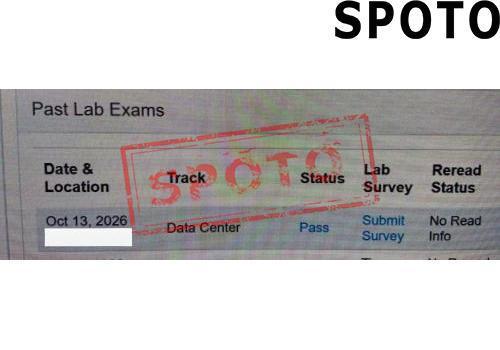
Latest Passing Reports from SPOTO Candidates
sec lab
EI LAB
EI LAB
EI LAB
DC LAB
sec lab
dc lab
ccde lab
EI lab
DC lab
Write a Reply or Comment
Don't Risk Your Certification Exam Success – Take Real Exam Questions
Eligible to sit for Exam? 100% Exam Pass GuaranteeEligible to sit for Exam? 100% Exam Pass Guarantee
SPOTO Ebooks
Recent Posts
CCIE Enterprise Infrastructure (v1.1) Advanced Mastery: Architecture Transformation and Exam Strategy
2026 CCIE Automation (v1.1) Advanced Guide: From Certification Transformation to Practical Exam Mastery
CCIE EI v1.1 Lab Exam In-Depth Analysis: Modernizing Enterprise Network Architecture and a Guide to Success
CCIE DC LAB v3.1: A Full-Stack Practical Guide to Building Modern Data Centers
2026 Latest CCIE Automation v1.1 Exam Preparation Guide
CCIE Enterprise Infrastructure (EI v1.1) In-Depth Preparation Guide: From Protocol Expertise to Architectural Engineering
CCIE Automation (v1.1): Core Exam Changes and Advanced Preparation Strategies
CCIE Automation: An In-Depth Preparation Strategy for the New 2026 Certification Framework
CCIE Data Center (v3.1) Lab Exam In-Depth Analysis: Technical Evolution and Comprehensive Preparation Guide
CCIE EI LAB Exam: Latest Question Changes and Exam Impact Analysis
Excellent
5.0
Based on 5236 reviews
Request more information
I would like to receive email communications about product & offerings from SPOTO & its Affiliates.
I understand I can unsubscribe at any time.