Latest Cisco, PMP, AWS, CompTIA, Microsoft Materials on SALE Get Now Get Now
Home/
Blog/
Driving the upgrade of global data protection standards: the introduction of GDPR
SPOTO 2 2026-01-15 10:47:32
Driving the upgrade of global data protection standards: the introduction of GDPR

The introduction of GDPR not only provides strong protection for the personal data of EU citizens, but also promotes the upgrading of global data protection standards.

1. Introduction to the General Data Protection Regulation (GDPR)

The General Data Protection Regulation (GDPR) is a mandatory data protection and privacy regulation issued by the European Union, which officially came into effect on May 25, 2018, replacing the EU's 1995 Data Protection Directive and becoming one of the strictest and most influential data protection regulations worldwide.

The core goal of GDPR is to unify the data protection rules of EU member states, strengthen the personal data rights of EU citizens, regulate the collection, storage, processing, and transmission of personal data by enterprises and organizations. Its jurisdiction breaks through geographical limitations and applies not only to enterprises within the EU, but also to any organization outside the EU that provides goods, services, or monitors their behavior to EU citizens. It has a typical "long arm jurisdiction" feature.

The core positioning of GDPR is centered on "data subject rights," redefining the boundaries of personal data ownership and use, and forcing enterprises to establish compliant data processing processes.

Unlike traditional data protection rules, GDPR no longer considers personal data as an "asset" of enterprises, but rather clarifies that it belongs to the basic rights of data subjects, and enterprises can only use data with legal authorization. The introduction of this regulation is aimed at addressing issues such as personal data abuse and cross-border data breaches in the digital economy era, as well as balancing the relationship between data utilization and privacy protection, and promoting the healthy development of the EU digital market.


2. Career Value of General Data Protection Regulation (GDPR)

For enterprises, GDPR compliance is not only a necessary means to avoid high fines, but also a core competitiveness to enhance corporate credibility and strengthen user trust. By building a comprehensive data compliance system, enterprises can effectively reduce the risk of data breaches and avoid economic losses and brand reputation damage caused by violation penalties.

For individuals, the various rights granted by GDPR enable them to better control their personal data and protect it from illegal collection and abuse; For the global digital economy, GDPR breaks down barriers to cross-border data flow and promotes the rational use and cross-border sharing of data resources while ensuring privacy and security.


3. Core Components of the GDPR Certification

The seven core principles of GDPR are the cornerstone of its legal framework, setting the "gold standard" and minimum line of conduct that any organization handling personal data of EU citizens must comply with. These seven principles are not isolated clauses, but constitute a systematic compliance logic chain that runs through the entire lifecycle of data from birth to death.

This logical chain begins with the principles of legality, fairness, and transparency, which require companies to find clear legal basis for data processing and inform users in a candid and easily understandable manner.

Subsequently, the principles of purpose limitation and data minimization imposed strict constraints on data collection behavior: data can only be collected for clear and specific purposes, and only the minimum amount of data necessary to achieve that purpose can be collected. This means that companies cannot 'collect first, then find use' and must eliminate excessive collection.

In the process of data processing, the principle of accuracy requires enterprises to ensure that data is correct and error free; the storage restriction principle requires that data cannot be retained indefinitely after its purpose is achieved, and must be securely deleted or anonymized. To ensure the security, integrity, and confidentiality of data throughout its entire lifecycle, enterprises are required to take technical and organizational measures to prevent data leakage or abuse.

Ultimately, all responsibility comes down to the principle of accountability. It requires companies not only to 'do the right thing', but also to 'prove that they have done the right thing,' proactively recording and proving that all their data processing activities comply with the first six principles, namely 'Self-certification of compliance.'


4. What rights can you enjoy?

One of the most revolutionary features of GDPR is that it grants unprecedented control over data to individuals, known as 'data subjects.' It not only stipulates what businesses must do, but also directly grants EU citizens a series of powerful legal rights, which completely changes the balance of data rights between individuals and businesses.

These rights constitute a complete system of rights from "knowledge" to "control" and then to "transfer." You first have access and correction rights, which means understanding how your data is processed and ensuring its accuracy. If the data is no longer needed or you wish it to be erased, you may exercise the well-known right of deletion.

Furthermore, GDPR innovatively introduces the right to data portability, allowing you to migrate personal data from one service provider to another like taking your own luggage, greatly enhancing your freedom of choice and market competitiveness.

You have also been granted the right to say 'no.' The right to object allows you to refuse data processing based on certain legal grounds. It is particularly important that in today's increasingly common algorithmic decision-making, you have the right to oppose decisions that are entirely made by automated systems and have a significant impact on you, ensuring human participation and review in critical decisions.


5. Certification related to the General Data Protection Regulation (GDPR)

  • IAPP Privacy Certifications (Industry Gold Standard)
  • Certified Data Privacy Solutions Engineer (CDPSE)
  • Certified Information Systems Security Professional (CISSP)
  • Certified Information Privacy Technologist (CIPT)

     

Latest Passing Reports from SPOTO Candidates
NETSEC-PRO

NETSEC-PRO

PA-NGFW-ENG

PA-NGFW-ENG

PCEP-30-02-P

PCEP-30-02-P

NSE7SOCAR76-P

NSE7SOCAR76-P

FCSSNSTSE76-P

FCSSNSTSE76-P

HPE6-A86-P

HPE6-A86-P

FCP-FMGAD76-P

FCP-FMGAD76-P

FCSSEFWAD76

FCSSEFWAD76

FCP-FGTAD76

FCP-FGTAD76

FCSSEFWAD76-P

FCSSEFWAD76-P

Write a Reply or Comment
Don't Risk Your Certification Exam Success – Take Real Exam Questions
Eligible to sit for Exam? 100% Exam Pass Guarantee
SPOTO Ebooks
Recent Posts
Excellent
5.0
Based on 5236 reviews
Request more information
I would like to receive email communications about product & offerings from SPOTO & its Affiliates.
I understand I can unsubscribe at any time.
Home/Blog/Driving the upgrade of global data protection standards: the introduction of GDPR
Driving the upgrade of global data protection standards: the introduction of GDPR
SPOTO 2 2026-01-15 10:47:32
Driving the upgrade of global data protection standards: the introduction of GDPR

The introduction of GDPR not only provides strong protection for the personal data of EU citizens, but also promotes the upgrading of global data protection standards.

1. Introduction to the General Data Protection Regulation (GDPR)

The General Data Protection Regulation (GDPR) is a mandatory data protection and privacy regulation issued by the European Union, which officially came into effect on May 25, 2018, replacing the EU's 1995 Data Protection Directive and becoming one of the strictest and most influential data protection regulations worldwide.

The core goal of GDPR is to unify the data protection rules of EU member states, strengthen the personal data rights of EU citizens, regulate the collection, storage, processing, and transmission of personal data by enterprises and organizations. Its jurisdiction breaks through geographical limitations and applies not only to enterprises within the EU, but also to any organization outside the EU that provides goods, services, or monitors their behavior to EU citizens. It has a typical "long arm jurisdiction" feature.

The core positioning of GDPR is centered on "data subject rights," redefining the boundaries of personal data ownership and use, and forcing enterprises to establish compliant data processing processes.

Unlike traditional data protection rules, GDPR no longer considers personal data as an "asset" of enterprises, but rather clarifies that it belongs to the basic rights of data subjects, and enterprises can only use data with legal authorization. The introduction of this regulation is aimed at addressing issues such as personal data abuse and cross-border data breaches in the digital economy era, as well as balancing the relationship between data utilization and privacy protection, and promoting the healthy development of the EU digital market.


2. Career Value of General Data Protection Regulation (GDPR)

For enterprises, GDPR compliance is not only a necessary means to avoid high fines, but also a core competitiveness to enhance corporate credibility and strengthen user trust. By building a comprehensive data compliance system, enterprises can effectively reduce the risk of data breaches and avoid economic losses and brand reputation damage caused by violation penalties.

For individuals, the various rights granted by GDPR enable them to better control their personal data and protect it from illegal collection and abuse; For the global digital economy, GDPR breaks down barriers to cross-border data flow and promotes the rational use and cross-border sharing of data resources while ensuring privacy and security.


3. Core Components of the GDPR Certification

The seven core principles of GDPR are the cornerstone of its legal framework, setting the "gold standard" and minimum line of conduct that any organization handling personal data of EU citizens must comply with. These seven principles are not isolated clauses, but constitute a systematic compliance logic chain that runs through the entire lifecycle of data from birth to death.

This logical chain begins with the principles of legality, fairness, and transparency, which require companies to find clear legal basis for data processing and inform users in a candid and easily understandable manner.

Subsequently, the principles of purpose limitation and data minimization imposed strict constraints on data collection behavior: data can only be collected for clear and specific purposes, and only the minimum amount of data necessary to achieve that purpose can be collected. This means that companies cannot 'collect first, then find use' and must eliminate excessive collection.

In the process of data processing, the principle of accuracy requires enterprises to ensure that data is correct and error free; the storage restriction principle requires that data cannot be retained indefinitely after its purpose is achieved, and must be securely deleted or anonymized. To ensure the security, integrity, and confidentiality of data throughout its entire lifecycle, enterprises are required to take technical and organizational measures to prevent data leakage or abuse.

Ultimately, all responsibility comes down to the principle of accountability. It requires companies not only to 'do the right thing', but also to 'prove that they have done the right thing,' proactively recording and proving that all their data processing activities comply with the first six principles, namely 'Self-certification of compliance.'


4. What rights can you enjoy?

One of the most revolutionary features of GDPR is that it grants unprecedented control over data to individuals, known as 'data subjects.' It not only stipulates what businesses must do, but also directly grants EU citizens a series of powerful legal rights, which completely changes the balance of data rights between individuals and businesses.

These rights constitute a complete system of rights from "knowledge" to "control" and then to "transfer." You first have access and correction rights, which means understanding how your data is processed and ensuring its accuracy. If the data is no longer needed or you wish it to be erased, you may exercise the well-known right of deletion.

Furthermore, GDPR innovatively introduces the right to data portability, allowing you to migrate personal data from one service provider to another like taking your own luggage, greatly enhancing your freedom of choice and market competitiveness.

You have also been granted the right to say 'no.' The right to object allows you to refuse data processing based on certain legal grounds. It is particularly important that in today's increasingly common algorithmic decision-making, you have the right to oppose decisions that are entirely made by automated systems and have a significant impact on you, ensuring human participation and review in critical decisions.


5. Certification related to the General Data Protection Regulation (GDPR)

  • IAPP Privacy Certifications (Industry Gold Standard)
  • Certified Data Privacy Solutions Engineer (CDPSE)
  • Certified Information Systems Security Professional (CISSP)
  • Certified Information Privacy Technologist (CIPT)
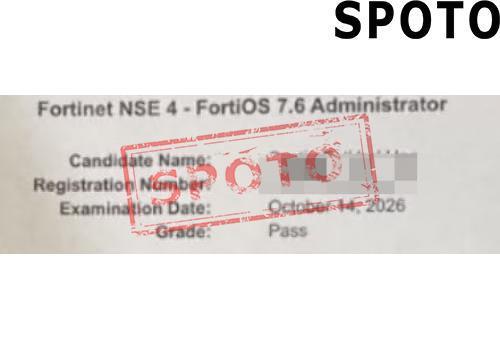
     

Latest Passing Reports from SPOTO Candidates
NETSEC-PRO
PA-NGFW-ENG
PCEP-30-02-P
NSE7SOCAR76-P
FCSSNSTSE76-P
HPE6-A86-P
FCP-FMGAD76-P
FCSSEFWAD76
FCP-FGTAD76
FCSSEFWAD76-P
Write a Reply or Comment
Don't Risk Your Certification Exam Success – Take Real Exam Questions
Eligible to sit for Exam? 100% Exam Pass GuaranteeEligible to sit for Exam? 100% Exam Pass Guarantee
SPOTO Ebooks
Recent Posts
Driving the upgrade of global data protection standards: the introduction of GDPR
GIAC's entry-level cybersecurity certification: GIAC Foundational Cybersecurity Technologies
Globally recognized cybersecurity certification: EC-Council Certified Network Defender (CND)
Globally certified professional digital forensics analyst: Cyber Security Forensic Analyst (CSFA)
The ultimate certification focusing on practical application skills in portfolio management: CFA Level 3 
EC-Council CHFI: A globally recognized leading digital forensics certification
The CFA certification system serves as a bridge between higher and lower levels: CFA Level 2
EC-Council Certified Ethical Hacker v13: The world's leading certification in ethical hacking and penetration testing
Explore HPE Aruba Networking's dedicated certification for online sales: Aruba HPE2-W12
CSA and ISACA jointly launched the world's first neutral technology certification in the field of cloud auditing: CCAK
Excellent
5.0
Based on 5236 reviews
Request more information
I would like to receive email communications about product & offerings from SPOTO & its Affiliates.
I understand I can unsubscribe at any time.