Latest Cisco, PMP, AWS, CompTIA, Microsoft Materials on SALE Get Now Get Now
Home/
Blog/
Do you really know enough about the profession of Principal Engineer?
SPOTO 2025-07-10 10:31:42
Do you really know enough about the profession of Principal Engineer?

1. What is a Principal Engineer ?

Principal Engineer is a leader of engineers in a specific area who is responsible for overseeing the development and progress of projects and the work content of employees to ensure that the engineering team completes projects on time and on budget.

2. Responsibilities of a Principal Engineer

As a Principal Engineer, your primary job responsibility is to oversee the research, development, and design of engineering projects for your company or organization, including setting budgets, negotiating with suppliers, participating in the contract signing process, and delegating work. In addition, you will also need to train employees, set project deadlines, and work to improve engineering application processes.

3. How much does a Principal Engineer Make?

According to ZipRecruiter, the average annual salary for a Principal Engineer in California is $145,292 as of July 2, 2026. That works out to about $69.85 per hour. That's $2,794 per week or $12,107 per month. Salaries range from as high as $209,717 to as low as $73,031, but most Principal Engineer salaries currently range from $116,900 to $170,700, with the highest earners making $193,433 per year in California. The average salary range for a Principal Engineer varies widely (as much as $53,800), which suggests there may be many opportunities for advancement and increased pay based on skill level, location, and years of experience.

4. What Are the Qualifications to Become a Principal Engineer ?

(1) Obtain a Bachelor's Degree

Principal Engineer careers often require job seekers to have a bachelor's degree in their field of engineering. For example, principal engineers usually study electrical engineering, mechanical engineering, or computer science.

(2) Develop Practical Experience

As a Principal Engineer, Practical Experience is essential to mastering the deployment process. You can take an internship, volunteer on an IT project, or simulate real-world scenarios using virtual labs. This hands-on experience helps you troubleshoot, automate, and deploy applications with confidence.

(3) Earn Industry Certifications

Obtaining a certification that is highly recognized by the industry can prove your professional ability and ability to perform the position, and can also enhance your competitiveness in the workplace. Therefore, we recommend that you obtain the CCIE Collaboration certification. This certification can demonstrate your advanced skills in how to plan, design, implement, operate, and optimize complex enterprise collaboration solutions. Lead the way with the Cisco Certified Internetwork Expert (CCIE) Collaboration certification.

5. Similar Occupations of Principal Engineer

  • Senior Engineer
  • Staff Engineer
  • Distinguished Engineer
  • Software Architect
  • Engineering Manager
  • Project Engineer
  • Technical Consultant


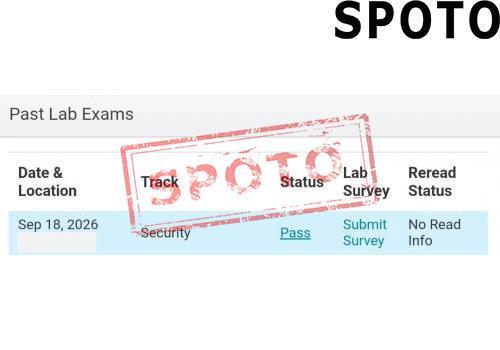
Latest Passing Reports from SPOTO Candidates
dc lab

dc lab

sec lab

sec lab

EI LAB

EI LAB

EI LAB

EI LAB

dc lab

dc lab

SEC LAB

SEC LAB

DC LAB

DC LAB

DC LAB

DC LAB

EI LAB

EI LAB

EI LAB

EI LAB

Write a Reply or Comment
Home/Blog/Do you really know enough about the profession of Principal Engineer?
Do you really know enough about the profession of Principal Engineer?
SPOTO 2025-07-10 10:31:42
Do you really know enough about the profession of Principal Engineer?

1. What is a Principal Engineer ?

Principal Engineer is a leader of engineers in a specific area who is responsible for overseeing the development and progress of projects and the work content of employees to ensure that the engineering team completes projects on time and on budget.

2. Responsibilities of a Principal Engineer

As a Principal Engineer, your primary job responsibility is to oversee the research, development, and design of engineering projects for your company or organization, including setting budgets, negotiating with suppliers, participating in the contract signing process, and delegating work. In addition, you will also need to train employees, set project deadlines, and work to improve engineering application processes.

3. How much does a Principal Engineer Make?

According to ZipRecruiter, the average annual salary for a Principal Engineer in California is $145,292 as of July 2, 2026. That works out to about $69.85 per hour. That's $2,794 per week or $12,107 per month. Salaries range from as high as $209,717 to as low as $73,031, but most Principal Engineer salaries currently range from $116,900 to $170,700, with the highest earners making $193,433 per year in California. The average salary range for a Principal Engineer varies widely (as much as $53,800), which suggests there may be many opportunities for advancement and increased pay based on skill level, location, and years of experience.

4. What Are the Qualifications to Become a Principal Engineer ?

(1) Obtain a Bachelor's Degree

Principal Engineer careers often require job seekers to have a bachelor's degree in their field of engineering. For example, principal engineers usually study electrical engineering, mechanical engineering, or computer science.

(2) Develop Practical Experience

As a Principal Engineer, Practical Experience is essential to mastering the deployment process. You can take an internship, volunteer on an IT project, or simulate real-world scenarios using virtual labs. This hands-on experience helps you troubleshoot, automate, and deploy applications with confidence.

(3) Earn Industry Certifications

Obtaining a certification that is highly recognized by the industry can prove your professional ability and ability to perform the position, and can also enhance your competitiveness in the workplace. Therefore, we recommend that you obtain the CCIE Collaboration certification. This certification can demonstrate your advanced skills in how to plan, design, implement, operate, and optimize complex enterprise collaboration solutions. Lead the way with the Cisco Certified Internetwork Expert (CCIE) Collaboration certification.

5. Similar Occupations of Principal Engineer

  • Senior Engineer
  • Staff Engineer
  • Distinguished Engineer
  • Software Architect
  • Engineering Manager
  • Project Engineer
  • Technical Consultant


Latest Passing Reports from SPOTO Candidates
dc lab
sec lab
EI LAB
EI LAB
dc lab
SEC LAB
DC LAB
DC LAB
EI LAB
EI LAB
Write a Reply or Comment
Don't Risk Your Certification Exam Success – Take Real Exam Questions
Eligible to sit for Exam? 100% Exam Pass GuaranteeEligible to sit for Exam? 100% Exam Pass Guarantee
SPOTO Ebooks
Recent Posts
AWS SAA-C03: What the Solutions Architect Exam Actually Tests, What It Pays, and How to Pass
Microsoft AZ-204: What Developers Actually Need to Know to Pass
AWS Cloud Practitioner (CLF-C02): What It Actually Covers, What It Pays, and Who Should Take It
The Real-World Guide to Microsoft AZ-120: SAP Workloads on Azure
Why the AZ-104 is Still the Hardest Associate Cloud Exam (And How to Beat It)
The High-Value Cloud Specialty: The Definitive Guide to Microsoft AZ-140
The Hard Truth About CompTIA Security+: Value, 2026 Updates, and Real-World Salary
Connecting the Modern Enterprise: The Definitive Guide to CompTIA Network+ in 2026
High-Value CompTIA Certifications to Target in 2027 (Exam Focus & Salaries)
Beyond the Spreadsheet: The Definitive Architecture and Engineering Guide to CompTIA SecurityX
Excellent
5.0
Based on 5236 reviews
Request more information
I would like to receive email communications about product & offerings from SPOTO & its Affiliates.
I understand I can unsubscribe at any time.